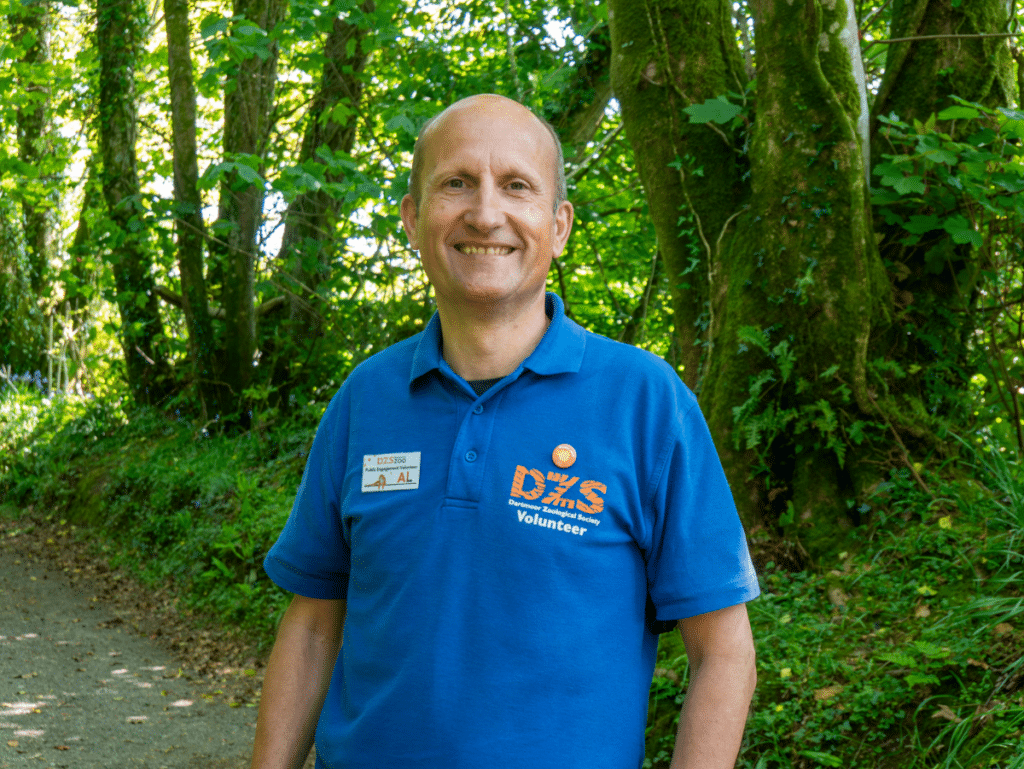
CEO, Dr David Gibson has issued the following statement:
Hello, my name is David Gibson. I’m the Chief Executive Officer here at Dartmoor Zoo. I wanted to give you all an update on our current situation. As you’ll be aware, the country is in drought just now. We’re in a fourth heat wave of the year. This is causing severe water shortages, and we’re suffering at Dartmoor Zoo because of that.
One of the boreholes that supplies our water has now run dry, so that’s leaving us running on about 50% capacity.
We’re still open and we can still accommodate our visitors, but we’re prioritising our animals above everything else. We have had to make a couple of changes for the time being, and for the foreseeable future, we’re operating on pre-booked tickets only (annual pass holders can also pre-book via our general admissions page). This allows us to phase the load on our infrastructure through the day, and ensure that we can continue to offer a safe and fun experience for all. We will also be closing access to our outside toilets, though our Jaguar Restaurant toilets will still be available during your visit.
I’d like to thank everybody that has been kind enough to donate water to us. As thoughtful as that is, it’s not actually that necessary. We have enough water on site to look after the animals. They’re absolutely fine. The things we have to be careful of though are things like flushing toilets. So we’d like to thank everybody for the continued support.
We are here, we are open, but we urge you to go to our website and pre-book tickets before coming to the Zoo.
We’re thrilled to announce that we’ve got not one, but TWO new species here at Dartmoor Zoo!
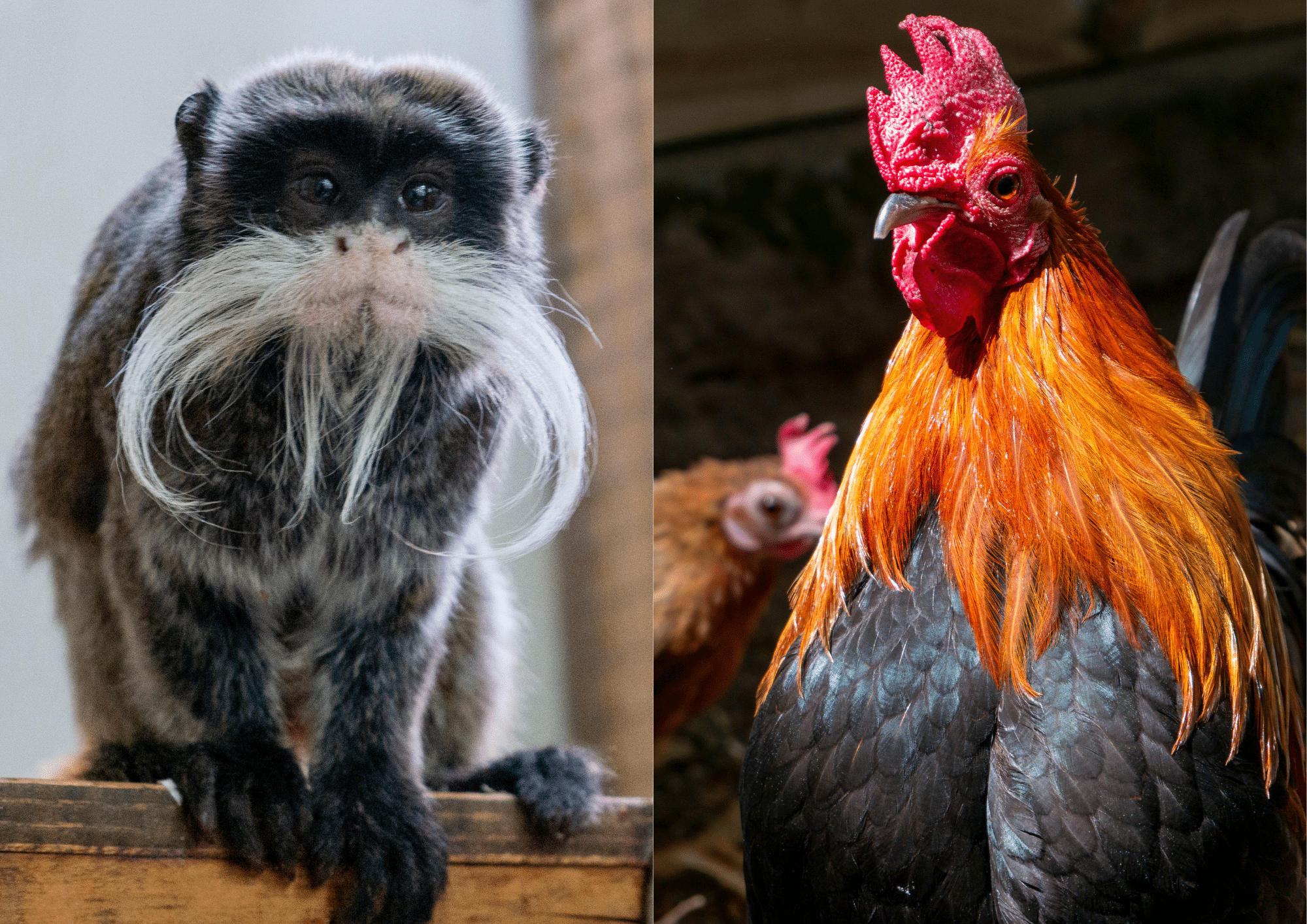
On Wednesday 22nd July we welcomed a group of Red Junglefowl from Birdworld which can be found in our Asian Aviary!
We also welcomed a male group of Emperor Tamarins known for their impressive moustaches! From Drayton Manor, you can find this trio in our mixed monkey habitat!
Ever dreamt of naming a zoo animal?
Now’s your chance.
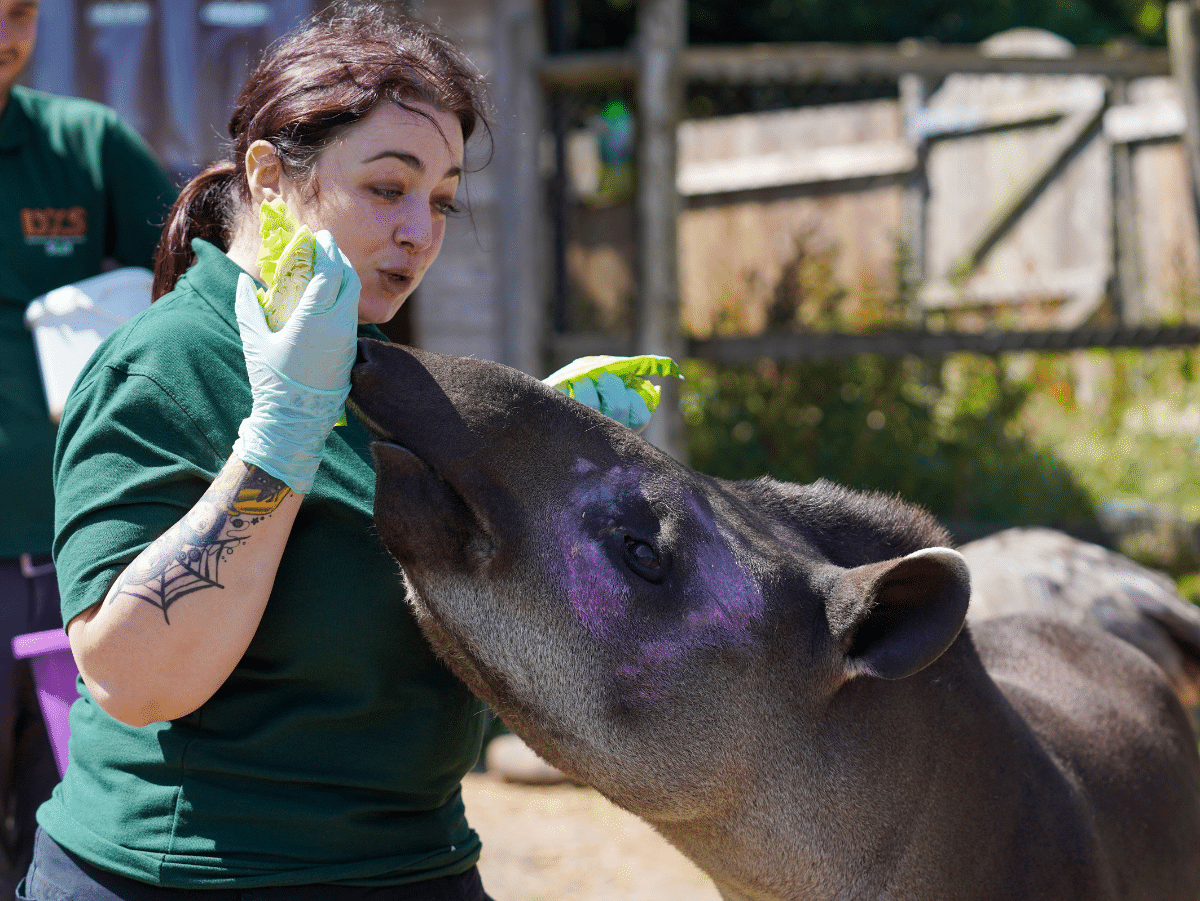
Chana our Brazilian Tapir is eating for two – we’re not sure on when we can expect the arrival of this little bundle of joy, but keep posted across our social media channels for a birth update!
In the meantime, Dartmoor Zoo is offering an incredibly rare opportunity to celebrate one of our soon to be, newest arrivals: a beautiful Brazilian Tapir calf. Through this special Crowdfunder, supporters can enter for the chance to win one of just five exclusive Brazilian Tapir experiences.
But that’s not all.
One overall winner will receive the ultimate prize, enjoying the exclusive experience and becoming the person who gets to officially name the Brazilian Tapir calf.
The experience will take place in the South America Habitat with one of our amazing Keeper team. You’ll be able to meet and feed our Brazilian Tapir family and ask any and all questions to find out about this incredible species. We anticipate the experience will last between 20 – 30 minutes and can accommodate 4 guests per experience. T&Cs apply.
By supporting this Crowdfunder, you’ll be helping us continue our vital conservation, animal welfare, research and education work while entering for the chance to name and meet our adorable calf in person.
Every contribution made through this Crowdfunder directly supports the care of our animals, the maintenance of their habitats, and the conservation projects that help protect vulnerable species for future generations.
This isn’t just a chance to win an unforgettable experience. It’s a chance to make a real difference.
Help us give this young Brazilian Tapir the very best start in life and leave your own lasting mark on Dartmoor Zoo’s history.
One FREE postal entry per person.
Thank you for supporting Dartmoor Zoo and good luck!
World Snake Day is a day to celebrate and learn about one of the planets most misunderstood animals. Snakes often get a bad reputation, many people fear them or think they’re dangerous, but the truth is, they play a vital role in our ecosystems and deserve more respect than fear.
There are over 3,500 species of snake around the world, but only about 600 are venomous, and fewer than 200 pose a serious threat to humans. That means most snakes you will ever meet (or see) are harmless and far more afraid of you than you are of them.
Why are snakes important?
Snakes play a vital role in maintaining ecological balance. As natural predators, they help regulate populations of rodents, insects, and other small animals. By keeping these populations in check, snakes prevent crop damage and reduce the spread of diseases. Rodents, for example, often carry ticks that transmit illnesses like Lyme disease. Fewer rodents mean fewer ticks and a lower risk of disease for both humans and wildlife. This makes snakes an effective, natural form of pest control that benefits both the environment and public health.
Beyond pest control, snakes contribute to the overall health of their ecosystems. They support nutrient cycling by aiding in the breakdown of organic matter and play a role in seed dispersal through their interactions with prey. These functions help maintain healthy soil and plant life, promoting biodiversity. Although often misunderstood, snakes are essential allies in preserving the stability and resilience of the natural world.
5 Fun Facts about Snakes!
The King Cobra is the largest venomous snake in the world. They can grow as long as 5.5 meters.
Not all snakes lay eggs; some give birth to live young.
Snakes don’t have eyelids! Instead, they have a special scale to protect their eyes.
They swallow their food whole because they can’t chew! Snakes have a very flexible lower jaw which allows them to eat animals who are 75% to 100% larger than their own head.
The Reticulated Python holds the title of the longest snake, regularly reaching over 6.25 meters in length. The largest recorded was 10 meters long.
European Adder (Vipera berus)
To celebrate World Snake Day, we’re taking a closer look at the UK’s only venomous snake, the European adder. We’re sharing what makes them unique, their roles in nature, and why they deserve our respect and protection.
European Adder (Vipera berus)
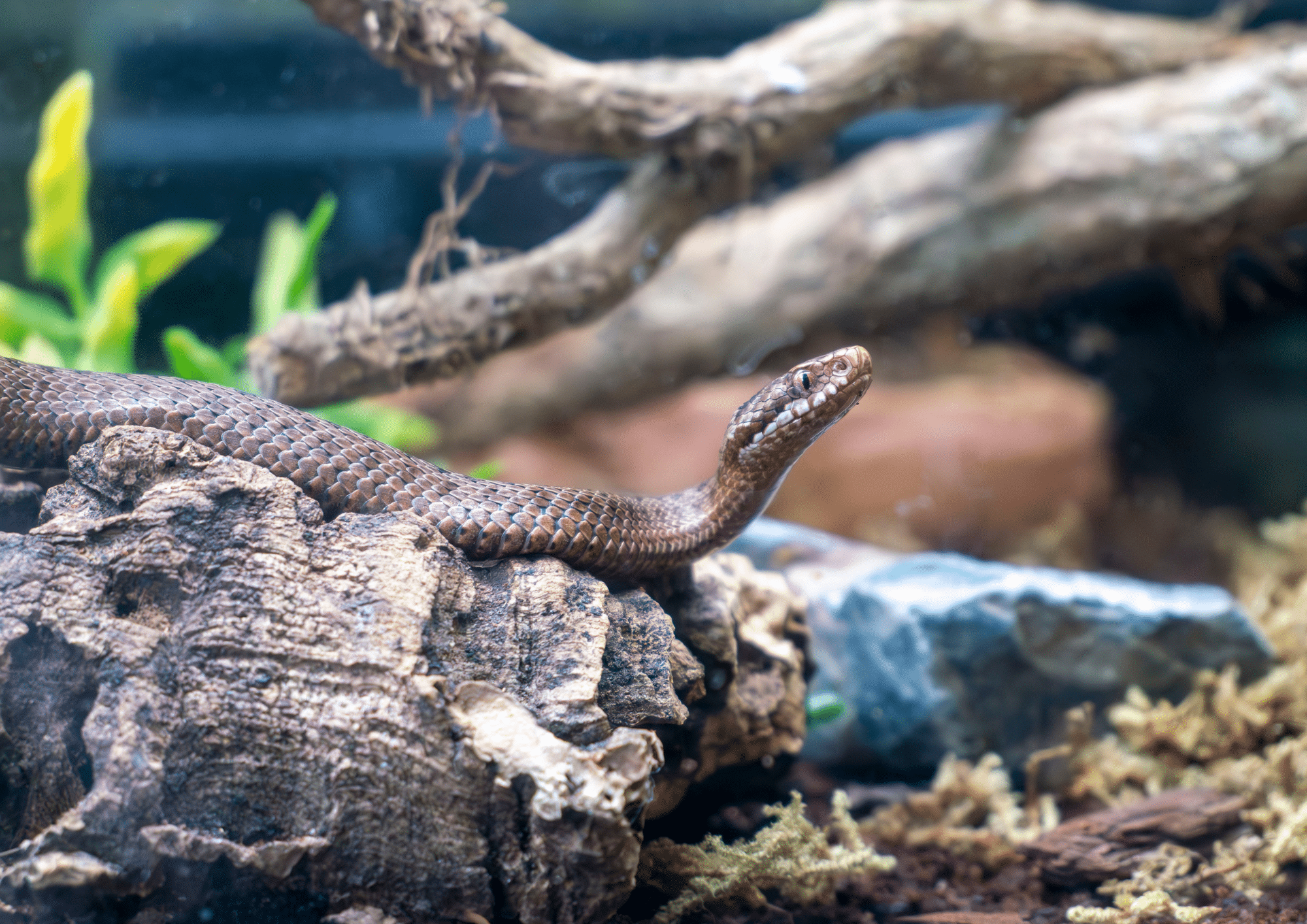
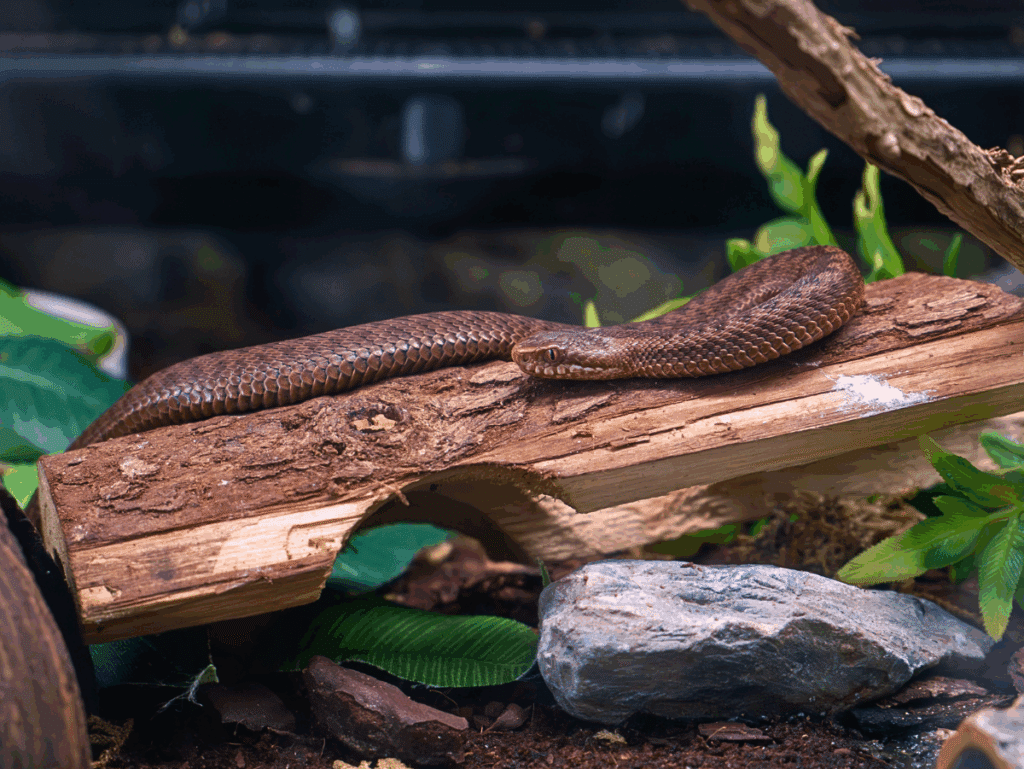
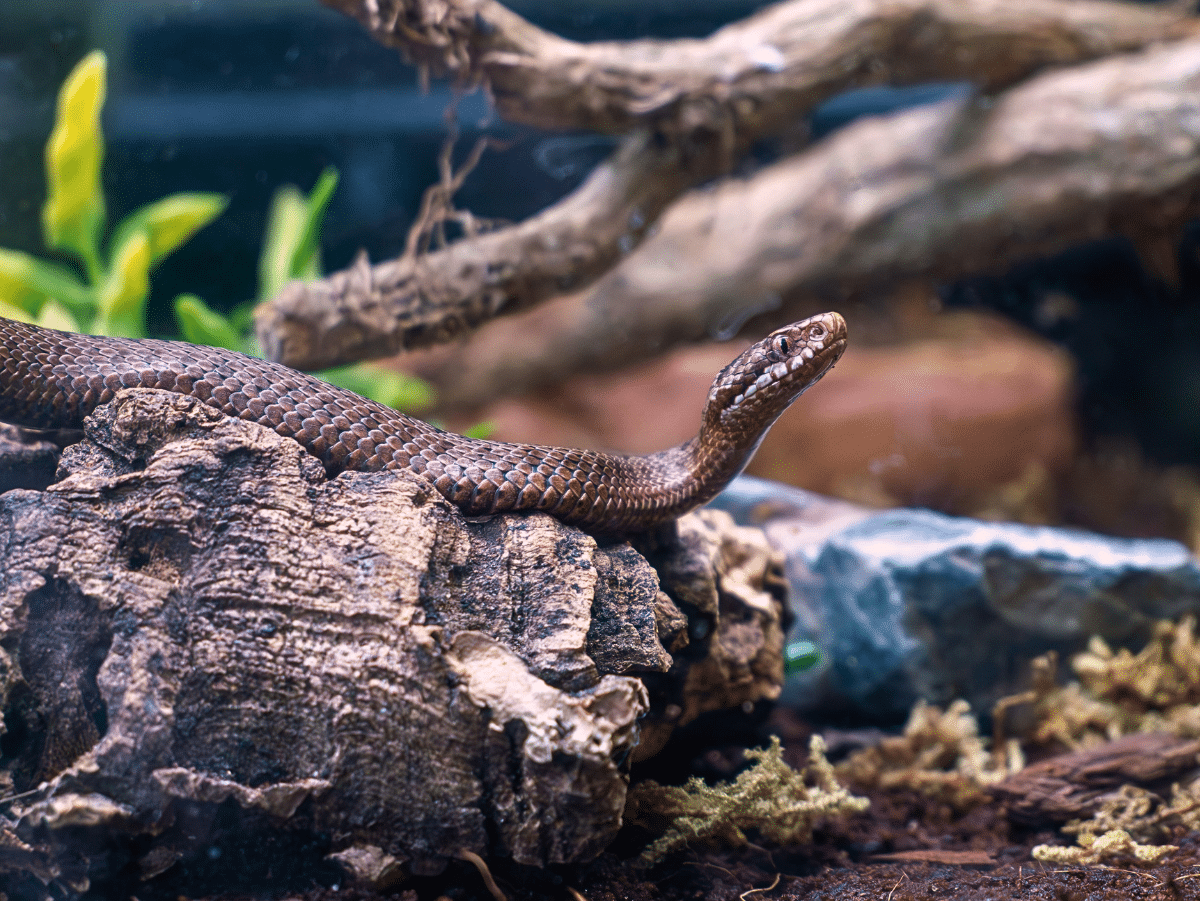
The European adder is the UK’s only native venomous snake and one of just three snake species found here. Despite their reputation, adders are shy and non-aggressive, only biting in self-defence when threatened or disturbed. Most often seen basking on countryside paths or trails, they pose little risk to humans if left alone.
These snakes can grow up to 75cm in length and are recognised by the distinctive zigzag pattern along their back and the distinct V or X shaped mark on their head. They feed infrequently, only 6 to 10 times a year. Adders play an important role in controlling populations of small mammals and insects, helping to maintain a balanced ecosystem that supports agriculture and benefits human communities.
Adder populations in the UK are declining due to habitat loss and fragmentation caused by farming. Though legally protected, they need more awareness and support to survive.
At Dartmoor Zoo, we care for two young adders born in August 2023. By giving our visitors the chance to see and learn about them, we hope to shift public perception and inspire conservation efforts.
Adders Aren’t the Enemy
Adder bites to humans in the UK are extremely rare and almost never life-threatening, but they always require medical attention. Most bites occur when a snake is accidentally stepped on or disturbed. While healthy adults usually recover well with minimal treatment, children, older adults, and those with pre-existing health conditions may experience more severe reactions and should be treated as a priority.
Recently, people have been more worried about their dogs being bitten by adders.Curious by nature, dogs may sniff or step too close to a basking adder, triggering a defensive strike. Although the vast majority of dogs recover fully with prompt veterinary care, these incidents have led to more negative public perception of adders, despite their shy and non-aggressive nature.
If you think your dog has been bitten by an adder, look for swelling, most often around the face or leg, along with two small puncture wounds at the centre of the swelling. Your dog may show signs of pain or distress, such as limping, whining, or appearing unusually quiet or withdrawn. It’s important to keep your dog calm and as still as possible to slow the spread of venom, offer water if they’ll take it, and get them to the nearest veterinary clinic that stocks antivenom as quickly as possible.
How to Prevent Bites and Be Prepared:
Attach an adder bell to your dog’s collar to alert wildlife.
Stick to clear, open paths, especially during warm, sunny days.
Keep your dog on a lead or under close supervision in areas where adders are known to live.
Research and know the location of the nearest veterinary clinics that stock antivenom before heading out.
Remember adder bites are not acts of aggression, they are rare, instinctive reactions from a wild animal trying to stay safe. By understanding and respecting their place in nature, we can protect our pets and preserve one of Britain’s most remarkable native species.
Snakes aren’t villains, they’re vital to our ecosystems.
World Snake Day is all about breaking the stigma, sharing facts, and raising awareness of these often-misunderstood reptiles. Whether as natural pest controllers, prey for other animals, or part of cultural heritage, snakes are fascinating and essential creatures that deserve our respect and understanding.
Come visit our Reptile and Bug House at Dartmoor Zoo and see this amazing speices in person, you might just leave with a newfound appreciation for the stars of World Snake Day.
Dartmoor Zoo is thrilled to announce that Brazilian Tapir (Tapirus terrestris); Chana, is eating for two! A very special arrival is on the horizon at Dartmoor Zoo! Chana and Erro, our Brazilian tapir breeding pair, are expecting a calf, marking an exciting milestone for the Zoo and a wonderful conservation success story for this ‘Vulnerable’ species.
Fortuana, affectionately known as Chana, has been a much-loved resident of Dartmoor Zoo for many years. On Friday 4th April 2025, she was joined by Erro, a male Brazilian Tapir from Linton Zoo, where the pair formed a strong bond almost immediately, with signs of successful mating observed within just a month of Erro’s arrival.
Following a recent ultrasound examination on Tuesday 7th July, Dartmoor Zoo is delighted to announce that Chana is expecting. This exciting milestone marks a significant success for both the Zoo and the conservation of this remarkable species and whilst Chana is an experienced mother, for Erro, this will be his first calf.
In the last 12 months, just 15 calves have been born in zoos worldwide, and only one of them born in the UK. In a delightful twist of fate, this UK calf now calls Linton Zoo home, the very same zoo that Erro originally came from!
CEO Dr David Gibson commented: “The Brazilian Tapir is classified by the IUCN as Vulnerable, meaning it is as risk of extinction in the wild. It is our duty as a modern, conservation focused Zoo to do our best to conserve species threatened with extinction wherever we can. In the last 12 months there has only been 15 zoo-based births of this species globally. Here in the UK, there was only 1 Brazilian Tapir born. This fact alone makes Chana’s pregnancy very important not just to Dartmoor Zoo but zoos as a whole.”
With an estimated 16,000 left in the wild, Brazilian Tapir are classified as Vulnerable as part of the IUCN Red List. This species faces many threats including deforestation, agricultural expansion, hunting and roadkill.
Inhabiting the tropical forests, wetlands, and swamps of Northern and Central South America, Brazilian Tapir are primarily found in the Amazon Rainforest and similar regions across Brazil, Colombia, Venezuela, and Northern Argentina. As a semi-aquatic species, they require permanent water sources like rivers and lakes for bathing, swimming, and foraging.
Head Keeper Jenna Crawford commented: “The whole team is absolutely bursting with excitement with the confirmation of Chana’s pregnancy. It truly felt like sitting beside a family member watching them receive their happy news. As a keeper team, having an animal completely unphased during a medical procedure is an accomplishment of the highest order. Watching her willingly roll onto her side for the scan and relax so much that she actually took a nap was joyous. Let the mum to be pampering commence!”
Whilst there is no due date confirmed for the little one’s birth yet, by following Dartmoor Zoo’s social media pages, you’ll be kept up to date on Chana’s journey and ultimately, the birth announcement.
If you are able and willing, please donate towards more conservation projects like this, to help Dartmoor Zoo keep up the good fight!
Did you know you can adopt our Brazilian Tapir family, where your support helps to pay for the care, feeding and general wellbeing of these animals for an entire year?
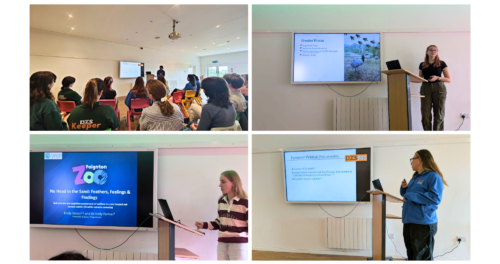
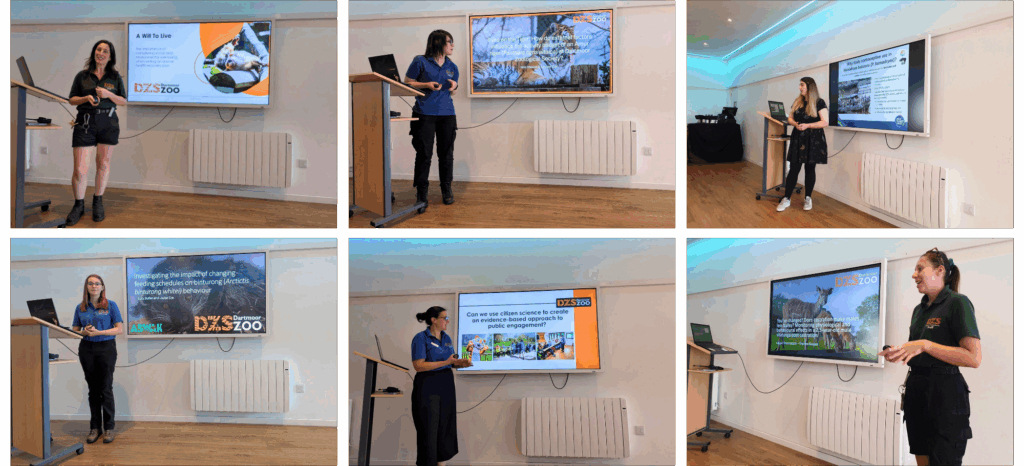
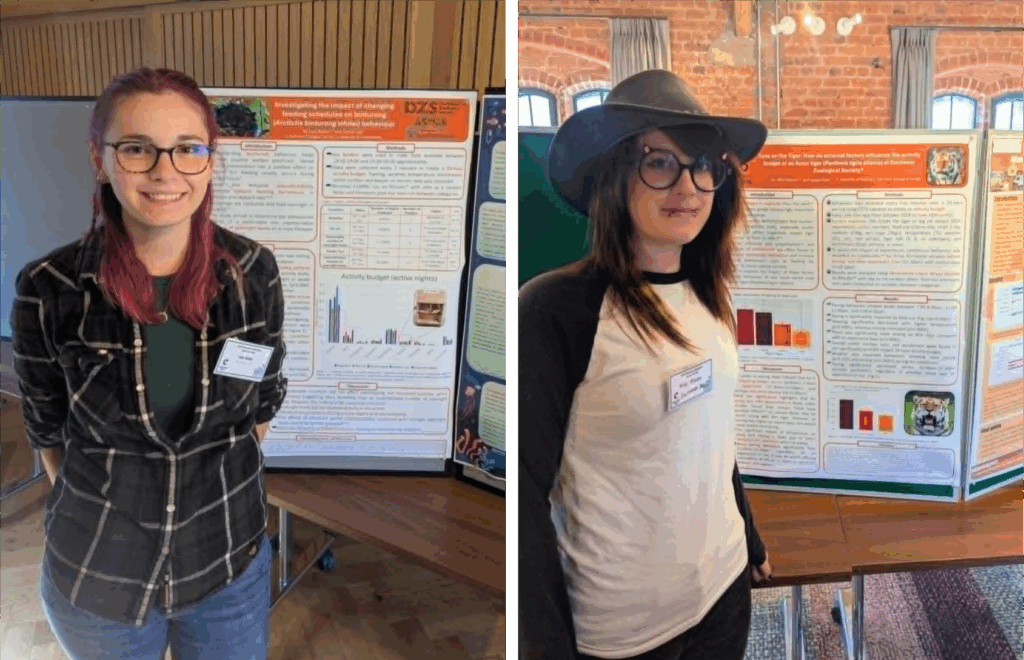
On June 30th 2026, Dartmoor Zoo hosted its annual research conference; ‘Research Rundown’, a showcase of the fascinating research conducted by our researchers and keepers over the past year. We were also joined by guest speakers from Paignton Zoo, and Newquay Zoo.
This year’s event featured ten talks and research posters, covering a wide range of topics, from animal behaviour and welfare, to feeding schedules and diet preparation. It was a brilliant day of knowledge-sharing and collaboration between zoos.
Here’s a quick rundown of the talks presented:
Louise Cox – Research and Welfare Officer, Dartmoor Zoo: Introduction and an overview of research at Dartmoor Zoo.
Lucy Butler – Dartmoor Zoo: What’s the Pecking Order? The Influence of Social Hierarchy on Cognitive Feeder Engagement in Captive Greater Rheas.
Emily Evison – Paignton Zoo: Behavioural and cognitive assessment of welfare in a zoo housed red-necked ostrich.
Emily Caldwell-Ley – Paignton Zoo: Developing and validating a judgement bias methodology, to assess welfare in Aldabra giant tortoises.
Charlotte Hubbard – Newquay Zoo: The impact of long versus short term amitriptyline usage on cognitive bias testing in white faced capuchins.
Cory Wilson – Newquay Zoo: Should zoo food be chopped or whole? Exploring the impact of diet preparation on behaviour and food distribution on Visayan warty pigs.
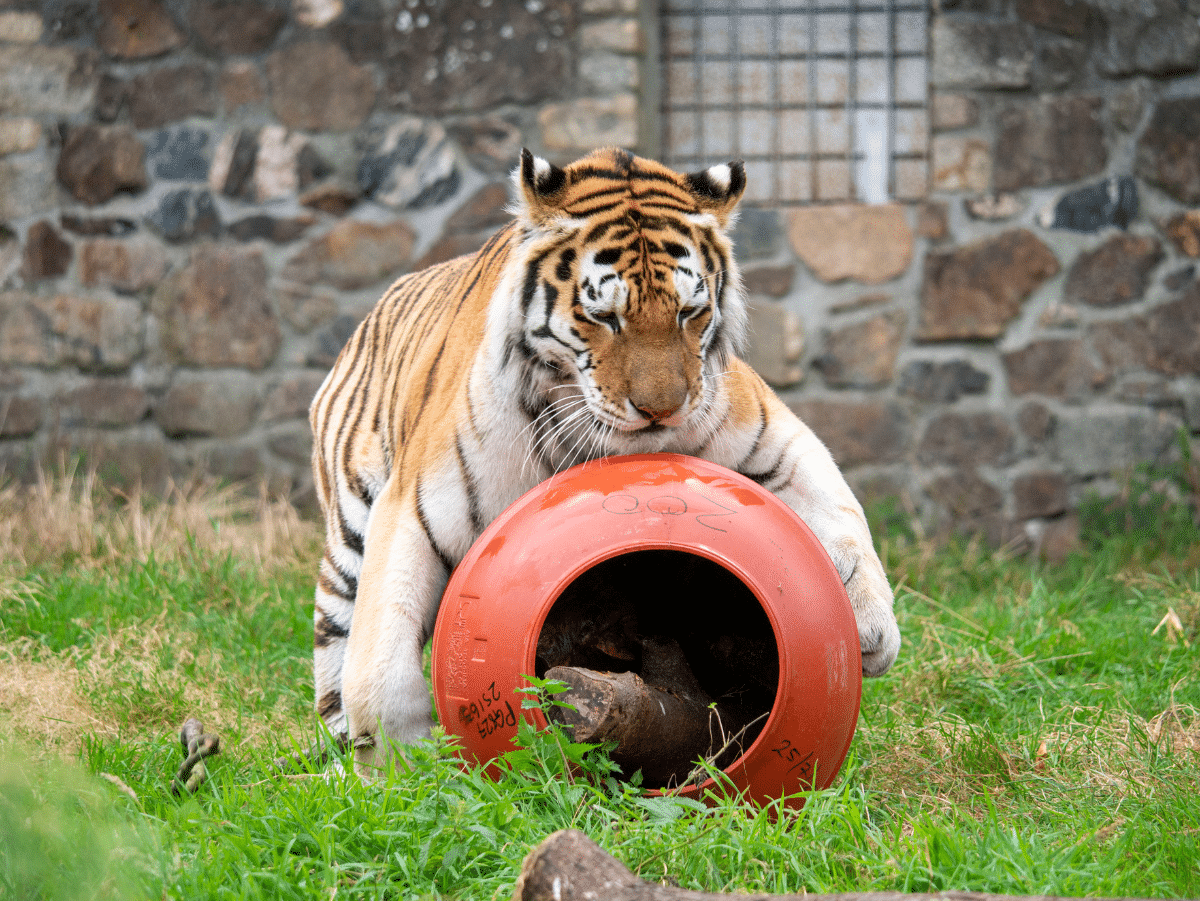
Hannah Sumner – Dartmoor Zoo: Investigating the impact of feeding schedule on tiger behaviour.
Ella Hooper – Dartmoor Zoo: Training two Iberian wolves for end of life care and management.
Alisha-Rose Sayer – Dartmoor Zoo: Observing a wildcat… the story so far.
Katie Butler – Paignton Zoo: Investigating the effects of contraception on behaviour and social dynamics in a troop of captive hamadryas baboons.
Alice Hoggarth – Paignton Zoo: Hormone Harmony: Investigating the impact of female-based hormonal contraception on the social behaviour and welfare of captive Sulawesi crested macaques.
Why is Research in Zoos Important?
Research in zoos is crucial for improving animal welfare, evaluating and enhancing enrichment provision, supporting conservation, and helping animals thrive both in captivity and in the wild. It helps us make evidence-based decisions, track behaviour changes, and better understand the species we care for.
Sharing these insights across institutions also means we’re constantly learning from each other, which ultimately benefits animals on a broader scale.
To shed more light on research at a zoo and the role of placement students, our Research and Welfare Officer, Louise Cox, shares her insights:
‘Conducting research is one of the main aims of a modern zoo, and it helps us learn more about our animals to provide them with the best possible welfare, as well as supporting conservation. We predominantly research animal behaviour, though we also look at what they’re eating, what’s in their poo & how our visitors are using the site!
Our placement students are so valuable in helping us collect data and know what our animals are doing, and it’s great to give them the opportunity to not only share their results with the wider zoo team, but also help build their confidence with public speaking and networking with colleagues in other zoos.’
DZS Placement Students
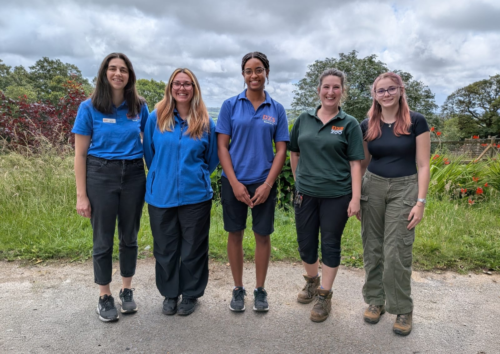
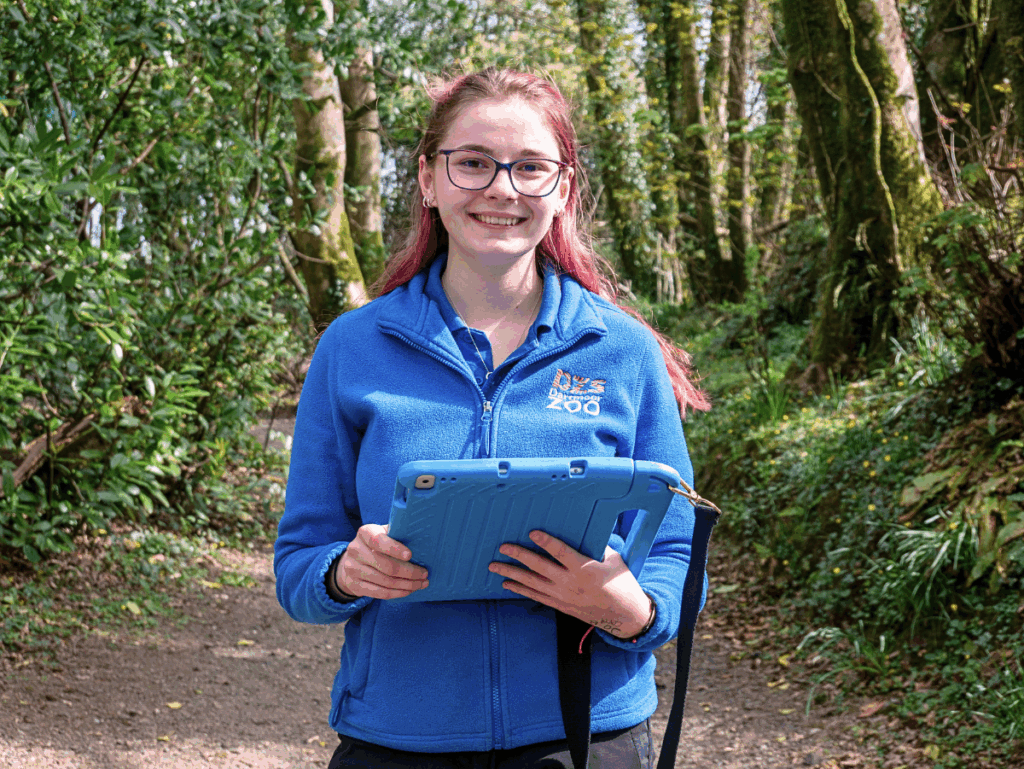
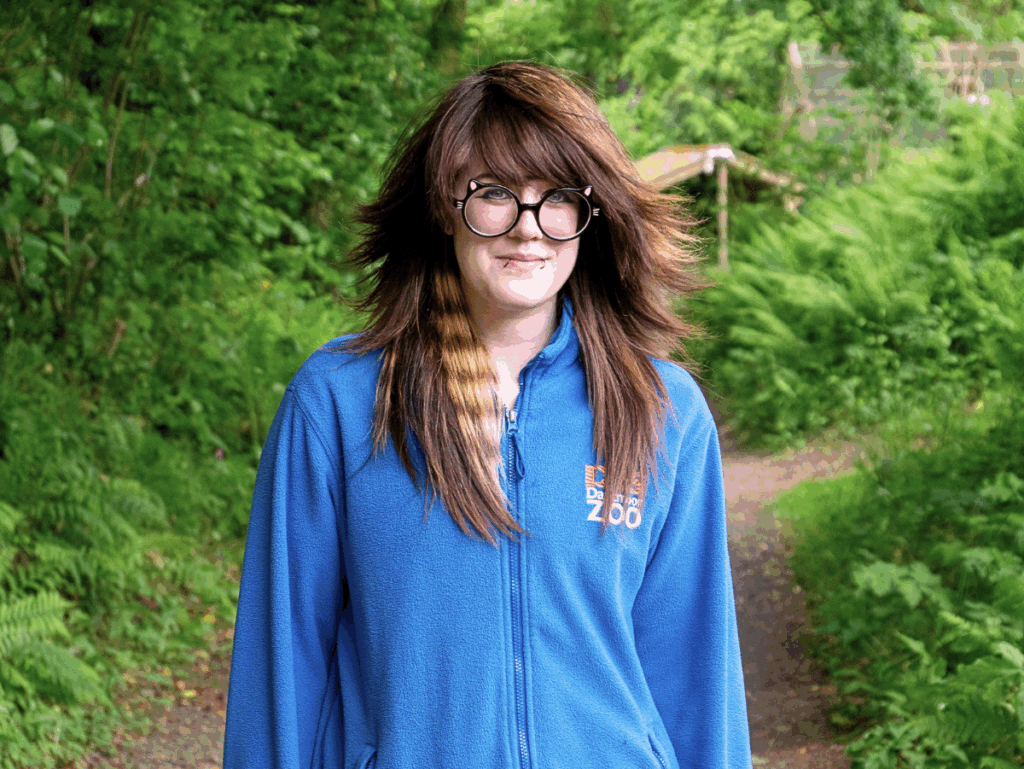
This year’s Research Rundown offered a fantastic opportunity to showcase the brilliant work of our two research placement students, Hannah and Alisha-Rose. While the event wasn’t a formal farewell, it was a great way for them to round off their placements by presenting their research to peers and professionals in the zoo community.
Hannah
‘My name is Hannah and I’m studying Zoology at the University of Plymouth. I decided to complete my placement year at Dartmoor Zoo as they provide wide range of opportunities available to learn at the zoo, not only in research but also in education and some keeper roles. I couldn’t resist applying, especially with the number of big cats they have, which I’m a huge fan of! In the future, I would like to go into animal behaviour and welfare research, which is an area the zoo focuses on heavily, so it aligned perfectly with my interests.
I have been studying Dragan the tiger for my main research project, looking at seeing how his feeding schedule impacts his behaviour. Alongside this, I was also observing the mother and cub leopards as part of another project. Getting to see the birth of the cub, Zeya, has definitely been a highlight, and she has grown so quickly!
During my placement at Dartmoor Zoo, I have learned a huge amount about research methods and data collection. Through monthly observations, I get to see how multiple species behave over long periods of time and develop a deeper understanding of their personalities.
I have also really enjoyed the public engagement side of the placement. Being able to share what I’ve learned and talk about how we help conserve wildlife and educate the public about the animals we have is incredibly rewarding. Another favourite experience was taking part in keeper days, seeing some animals up close especially species I had never seen before coming here was amazing, and I feel very lucky to have had that opportunity.
Overall, this placement has taught me so much about my interests and has opened my eyes to new areas of research and species I hadn’t previously considered. The team here have been incredibly supportive and always happy to answer questions.’
Alisha-Rose
‘My name is Alisha-Rose, and I am studying Wildlife Ecology and Conservation Science at the University of the West of England. I applied for a placement at Dartmoor Zoo because I was drawn to the zoo’s commitment to conservation and education. I also grew up just 15 minutes away and spent much of my childhood visiting the zoo. Experiencing its operations firsthand has been both fascinating and rewarding.
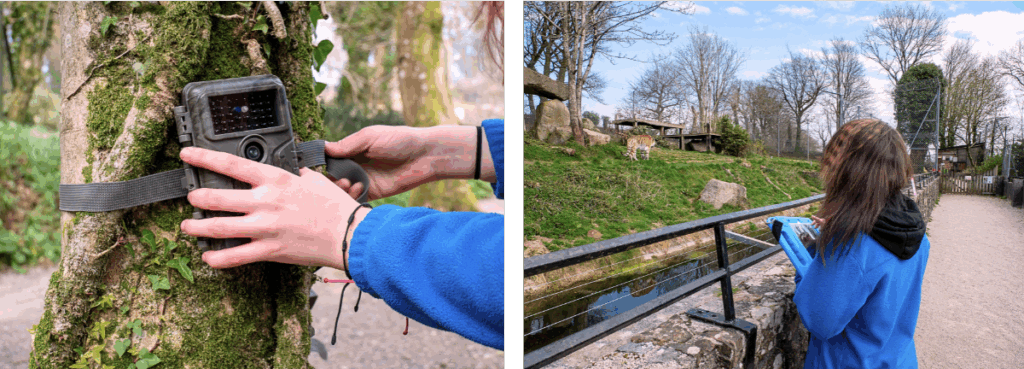
This placement has proved to be an incredible opportunity that is enhancing my skills and knowledge in the field. I have worked on a project involving our European wildcat, Moraig, in which I was investigating behavioural activity budgets using camera traps. Additionally, I’ve conducted behavioural observations using the software Zoomonitor on some of the animals at the zoo, including our East African grey crowned cranes and meerkats. I have also had the opportunity to help with other tasks across different departments, including the education team and restaurant, which has allowed me to engage with many animals and visitors.
Throughout my placement, I’ve been introduced to monitoring technologies that help understand animal movements and habitat use. I’ve also learned about enrichment techniques that improve animal well-being, ensuring they thrive in their environments. These experiences are deepening my understanding of the practical applications of wildlife science and conservation, equipping me with the skills necessary to make a meaningful impact in the field.’
We want to say a big thank you to all our speakers, staff, and students who made this year’s Research Rundown such a success. Events like this are a great reminder of why we do what we do, and how vital it is to keep learning, questioning, and exploring.
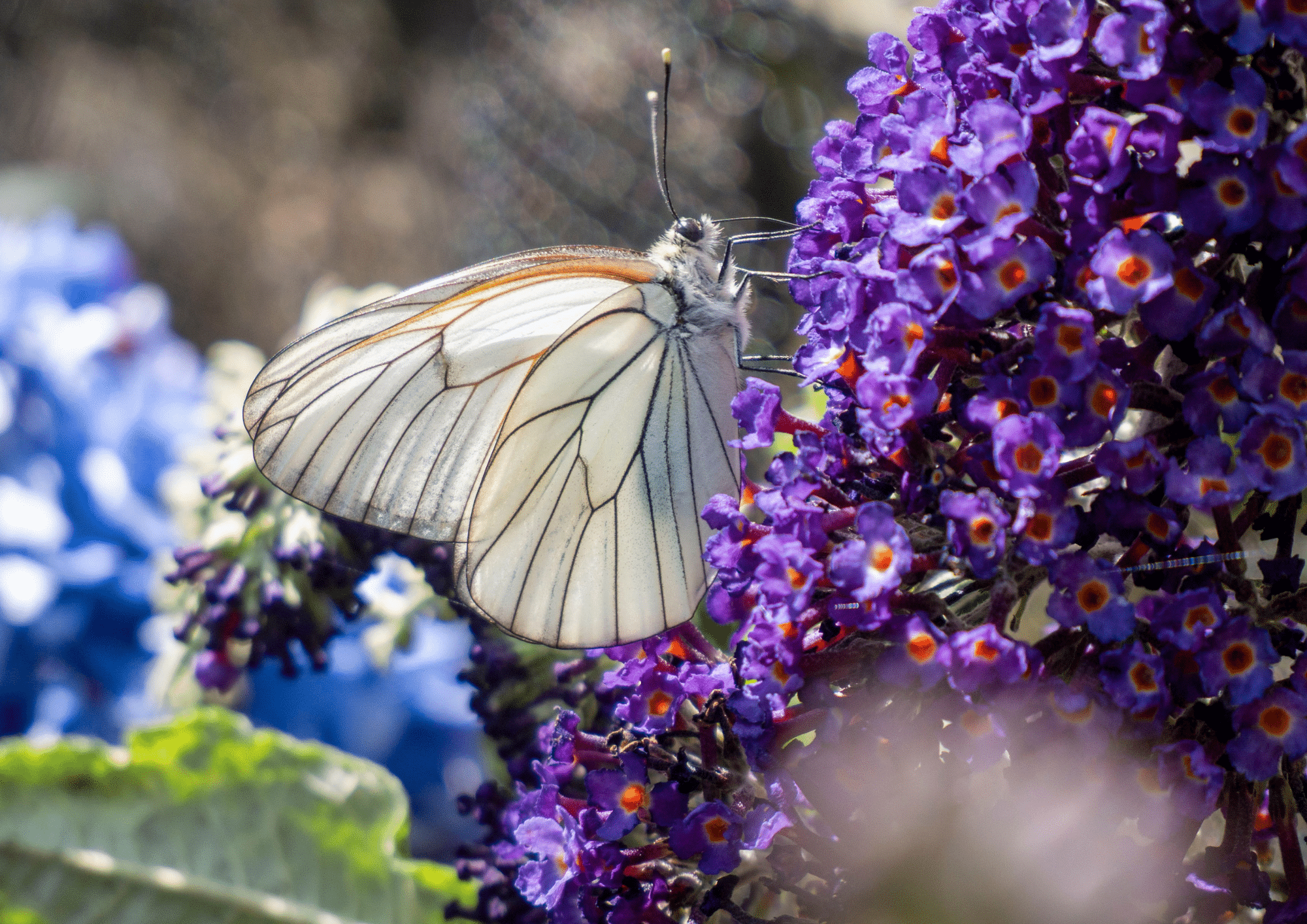
From extinction to reintroduction! Dartmoor Zoo are thrilled to announce they are part of an exciting breed to release project, reintroducing the previously extinct, Black-Veined White Butterflies (Aporia crataegi) back to the UK.
Dartmoor Zoo was approached by Ambios Ltd. about becoming a partner with them on a Black-Veined White Butterfly breed to release project, including other project partners such as Knepp Rewilding, Royal Holloway University and Butterfly Conservation.
The females arrived on Tuesday 23rd June and our role at Dartmoor Zoo is to provide a safety net site for rearing the adults. Their species name translates to “of the hawthorn” and within 10 minutes of arrival, one of the females laid a batch of eggs on the hawthorn within their habitat, so it was a delight to see this conservation project, in action.
Impregnated females are collected in Normandy each summer and imported under a Natural England Licence to be placed into a rearing habitat. The females then lay eggs which hatch late summer, with larvae staying small (4.2mm in length) semi-dormant on hawthorn plants until the following spring. They then enter an intensive growth phase before pupating and emerging as adults. A proportion of these adults will then be released into a designated release site in East Devon, again under Natural England Licence. The process then begins again with the next batch of impregnated females to ensure strong gene diversification, helping this species to thrive back in the UK.
CEO David Gibson commented: “Whilst Dartmoor Zoo is probably better known for conservation breeding of Threatened big cats such as Carpathian Lynx and Amur Leopard, we also know it is just as important to look after the smaller animals. The Black-Veined White Butterfly is an ideal example of how we can all help to conserve UK wildlife.
When we were approached by Ambios Ltd to partner with them, Knepp Rewilding and Royal Holloway University in the captive breeding and release of Black Veined White Butterflies, we were delighted to help.
This enigmatic species should still be fluttering around the hedgerows of Devon and as recently as 100 years ago they were part of our native biodiversity. Now this exciting breeding and reintroduction project will result in the beautiful and enigmatic butterflies being released into East Devon as soon as next summer.”
Black-Veined White Butterflies went extinct in the UK approximately 100 years ago. They were once resident across much of the UK, but it is speculated that with a change in farming practices after the first world war such as an intensification of farming, increase in use of pesticides and removal of many native hedgerows, the species died out.
With short dispersal flights at roughly 3-5 miles for a full-fledged adult, they lack the ability to jump the channel and would be extremely unlikely, without support such as projects like this, to re-colonise in the UK.
Ambios Ltd. Director Simon Roper commented: “The Black-Veined White Butterfly reintroduction project is a perfect fit for our non-profit organisation. It provides a practical real-world example which we can tell as part of our nature recovery training programmes. Working with Dartmoor Zoo and a network of organisations across the UK, we all intend to see this iconic, once native, species thriving in the hedgerows of Devon over the years to come.
As an organisation we are completely committed to nature recovery. Our work on the Sharpham Estate focuses on improving the skills of people who want to find jobs working with nature and species reintroduction. We’ve been training the next generation of wildlife professionals for the last 25-years.”
If you are able and willing, please donate towards more conservation projects like this, or you can purchase one of our ‘Name a Butterfly’ packs to directly support this project. You’ll receive a certificate (blank for your personalisation), some wildflower seeds and a butterfly print, reusable shopping bag. Please note, although you can visit the habitat on our site, there is no way to directly identify which butterfly you have named.
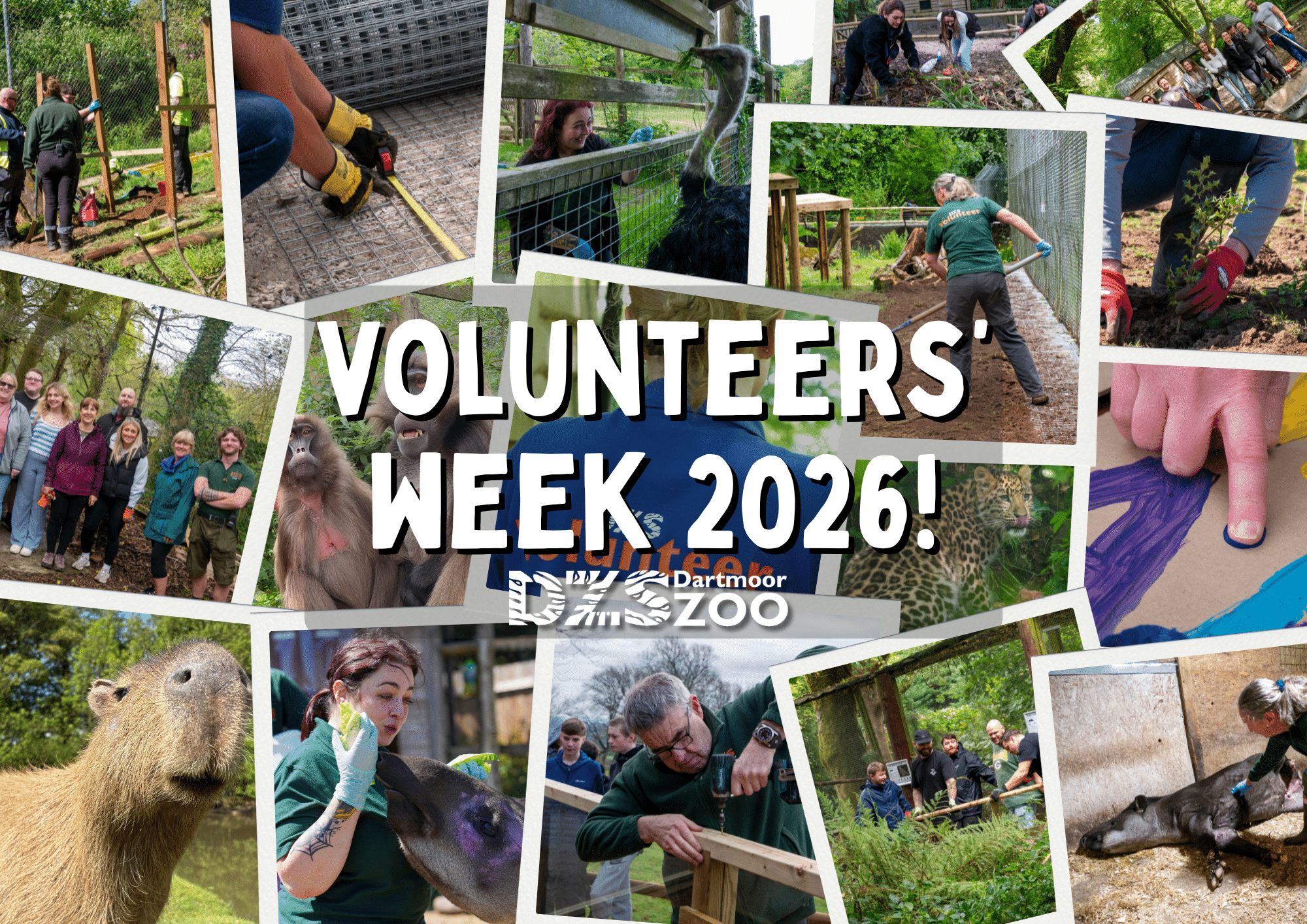
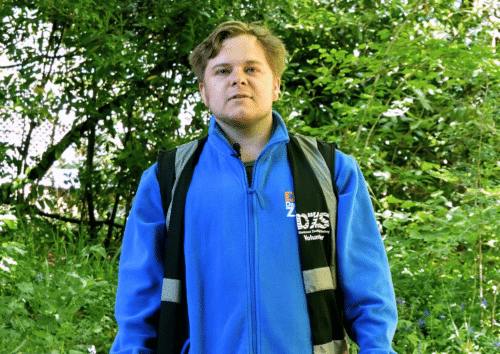
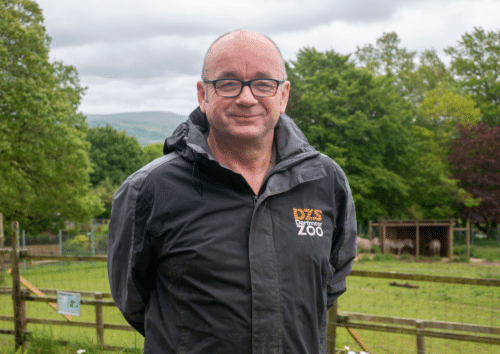
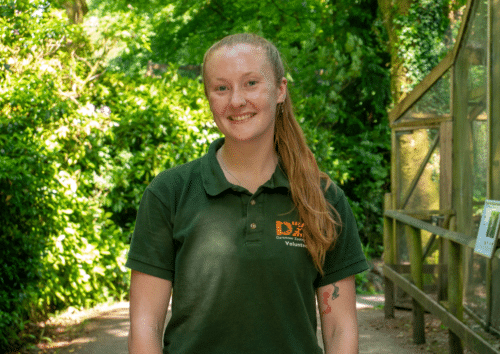
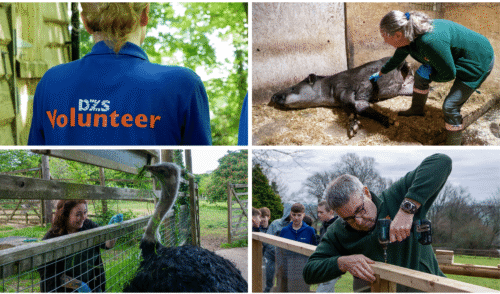
As Volunteers’ Week unfolds, we’re taking a moment to shine a spotlight on the incredible individuals who give their time, energy, and passion to Dartmoor Zoo. We are so fortunate to have a dedicated team of volunteers who play a vital role in every aspect of zoo life, from caring for our animals and engaging with visitors, to keeping things running smoothly behind the scenes. Their commitment and love for wildlife and conservation helps make everything we do possible.
This week, we’re proud to celebrate these heroes who make a real difference every single day. In this blog, we’ll be highlighting some of our amazing volunteers, sharing their stories, and showcasing the unique contributions they make to our zoo family.
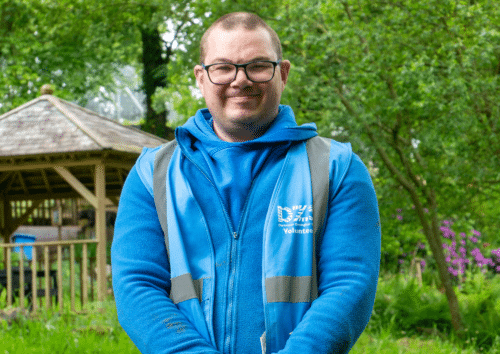
Sam – Public Engagement Volunteer
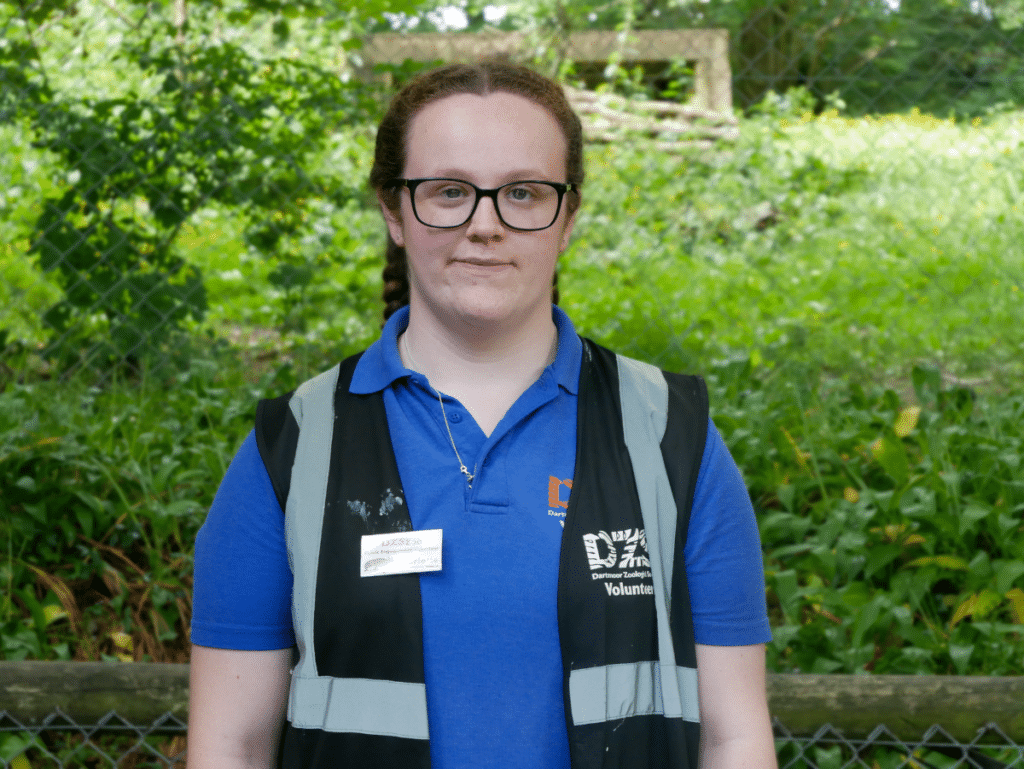
I have been volunteering at Dartmoor Zoo for just over a year now. I volunteer as a part of the education and public engagement team but sometimes help the keepers out as well. What I love about Dartmoor Zoo is getting messages across to people about how special our animals are and why they’re donations really help to protect them. I also love getting across to people how passionate I am about big cats and love talking about them to the public. I hope to progress my confidence down the line to talk about many more animals across the zoo.
Dartmoor Zoo has almost become a second home to me not just because of the incredible animals we have but also every single member of staff and other volunteers. They are so lovely, always smiling and what’s so lovely is that when any of us are struggling we feel comfortable to be able to open up and then get the help and support that we all need sometimes. To put it truthfully if I could actually work as a paid member of staff or even live on site at the zoo trust me I absolutely would as it just means the world to me and I am so thankful that I have been so lucky to do as many special things as I have done as many of the things I have done in the year at the zoo I never ever thought I would actually do.
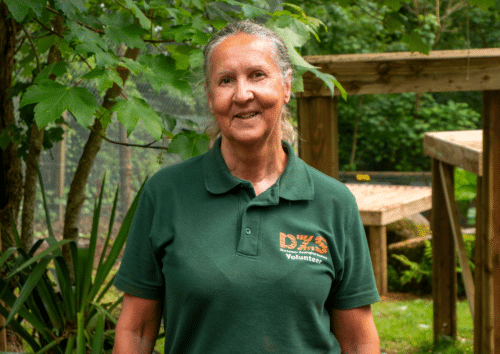
Heather – Keeper Volunteer
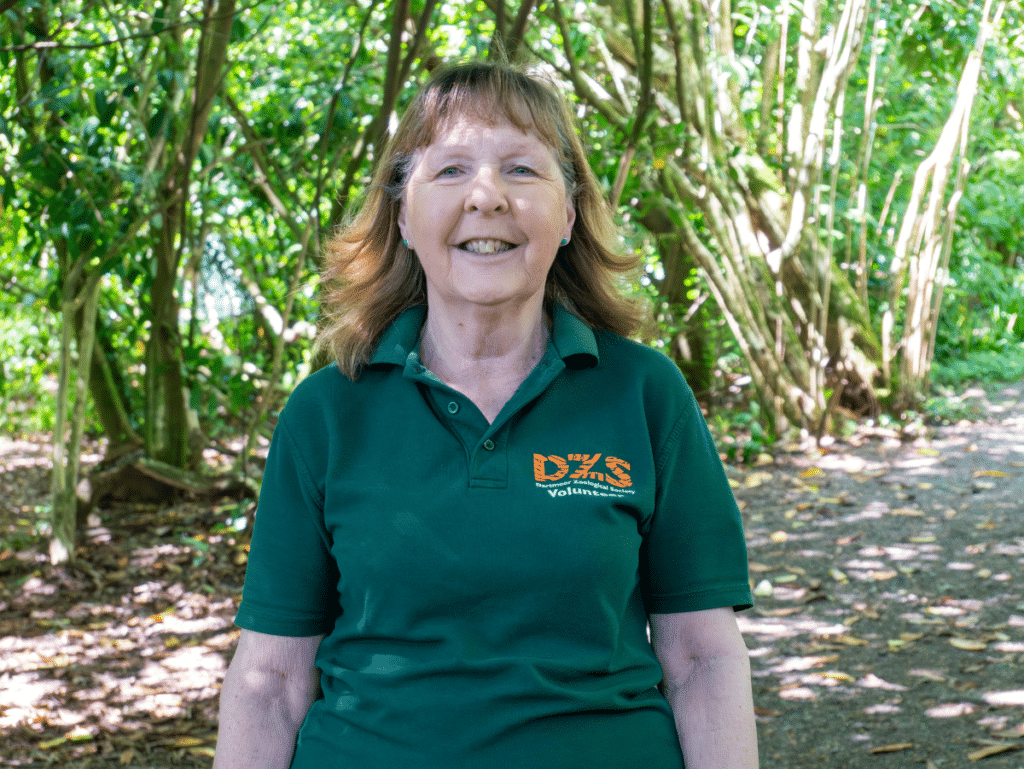
I’ve been volunteering at the zoo for just over a year. I work on the animal team which involves helping the keepers with their daily roles. This includes assisting with daily rounds, food preparation, maintaining enclosure care and more. I love being a part of a team and being able to help in the upkeep and care of all those incredible animals. It is hard physical work which gives me huge satisfaction both physically and mentally. When I come home after an exhausting day, it’s so nice to feel that I have contributed to this amazing venture. I’ve always loved animals and see it as a great privilege to be able to assist in any way I can.
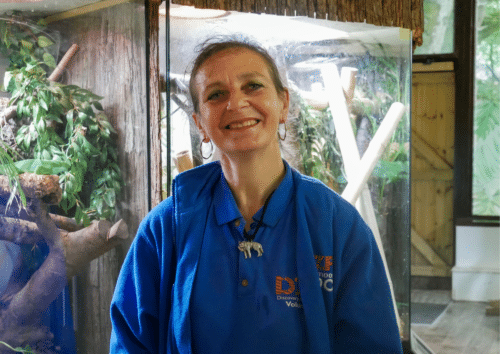
Maria – Keeper & Public Engagement Volunteer
I’ve been volunteering at Dartmoor Zoo now for 13 years this year. I volunteer with both our Keepers and our education team. Before volunteering I suffered badly with anxiety etc after losing my mother, volunteering at Dartmoor Zoo has helped my anxiety a lot and improved my wellbeing.
I love working both indoors and outdoors at the zoo and I love working alongside our amazing hard working team of staff and volunteers and the wonderful animals, some of which are endangered and critically endangered and conservation is very important to me, so it’s a privilege to work alongside them.
I’ve helped with getting enclosures ready /making up feeds doing talks and many many other jobs. I love to help also make ours visitors have a pleasant and enjoyable day. It is lovely to be part of an amazing team who care greatly about the animals and to help to educate people and raise awareness on how endangered some of these animals are in the wild.
Henry – Public Engagement Volunteer
Hi I’m Henry and I’ve been volunteering at the zoo for just over 10 years on the public engagement side. I’ve had to learn about many animals the zoo has had. It all started when life was very tough for me, but the light shone through, when I had the opportunity to be involved with learning and working with the animals and the keepers. Also the education side, giving talks, talking about conservation that the zoo helps with, the wider community and world. I’ve seen many changes within the animal department: staff, animals and the park itself. I give talks to the public and answer many questions about the animals, environment and much more.. It’s made me become more confident to talk about MY passion. I work with a lovely and knowledgeable team. My mental health has really improved in the years I’ve been volunteering and I’ve built many friends along the way, and memories.
Alan – Maintenance Volunteer
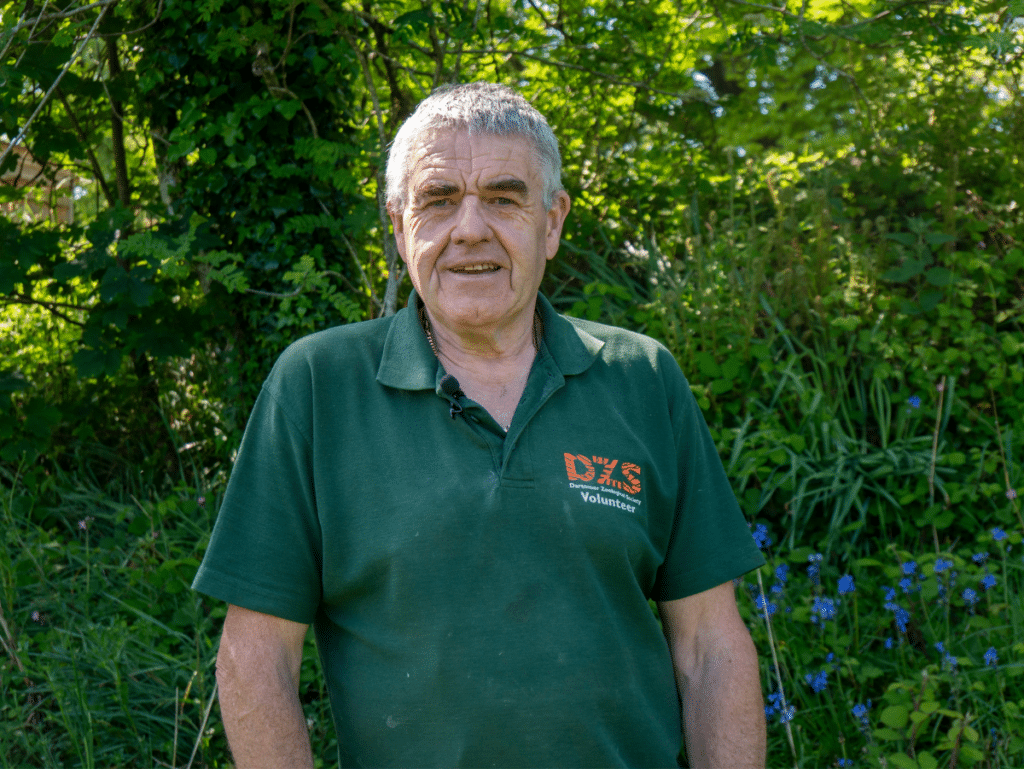
I’ve been volunteering at the zoo for two years now, within the maintenance department. I love Dartmoor and the zoo, so spending time away from the city is beneficial to my well being. The team are work are supportive and encouraging, a great team to be involved with. The benefits to me are huge, to see a safe, tidy and welcoming environment is priceless, I learn something new every week, from practical skills to plant identification.
Amber – Keeper Volunteer
Hi, I’m Amber and I have been volunteering with the keeper team at Dartmoor Zoo for just under a year and absolutely love it! My role is to help the keepers during their daily rounds with my main tasks being food prep, cleaning, and enrichment building!
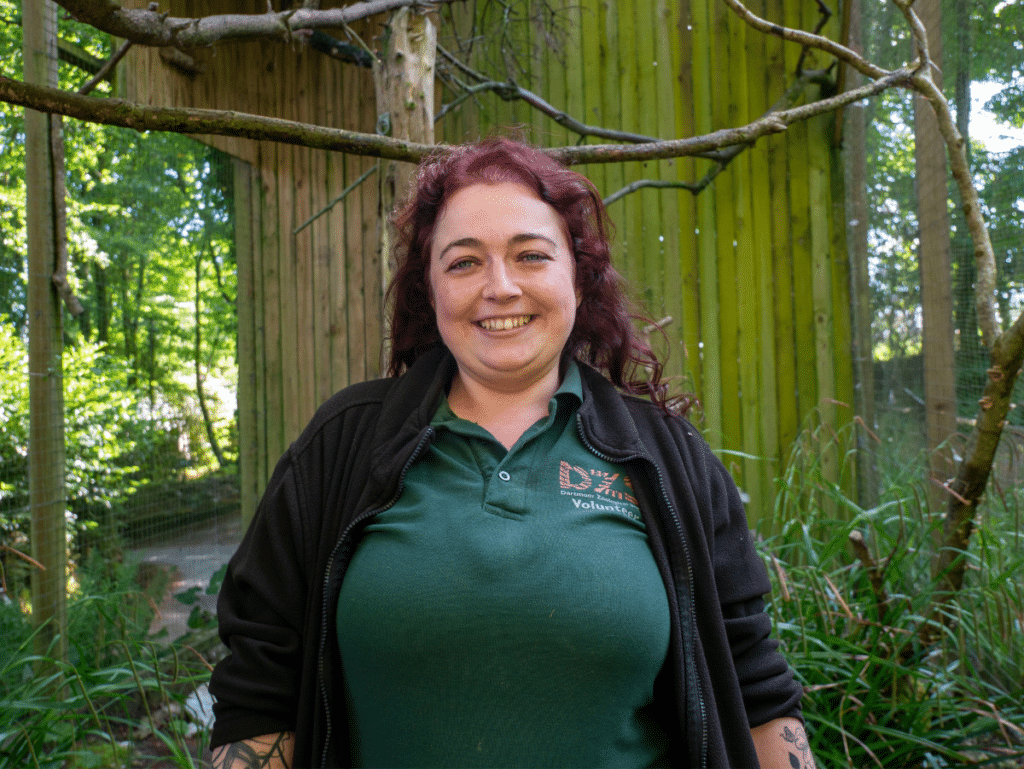
I have just finished my Ocean Science and Marine Conservation degree and have loved all animals since I was little- both underwater and on land. Volunteering at Dartmoor gives me the chance to hang out with super cool animals and I love to learn all their little quirks and personalities. Some of my favourite animals at the zoo has to be the Tapirs, Chana and Erro, who are so cheeky, and Dragan the Amur Tiger. Being a volunteer also lets build up my animal care experience for applying for jobs in the future, which is key in this sector as it can be very competitive. I love being at the zoo and getting to learn from the amazing (and super cool) keepers at Dartmoor Zoo!
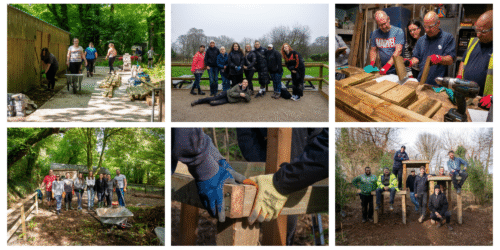
We’re also grateful to the corporate groups who have joined us for team-building and away days, volunteering their time to support the development of the zoo and contribute to our ongoing projects.
Andy – Education Officer & Volunteer Co-ordinator (Public Engagement)
I am the Volunteer Co-ordinator for the Education & Public Engagement team… the “Blueberries”. Our role is to welcome guests and enhance their day with discussion and that little bit more information that signs can provide. Our volunteer team is varied and dynamic, with people from all backgrounds, including many currently studying animal care, veterinary or zoology college or university courses. It has been such a blessing having such a dedicated team to enthusiastically spread the word about our stunning residents, beautiful site, and the vital importance of conservation through reliable science communication and interactions. They help with talks, many delivering them to guests and school and uniform groups, and many help with other teams. Seeing our volunteers grow in confidence and self-belief is incredible. I had been a volunteer in various places for over 12 years, and had have a lot of fun doing it. I want to help make this zoo as enjoyable to volunteer in as I found many of mine.
Ella – Experienced Keeper & Volunteer Co-ordinator (Keeper)
The animal keeper volunteers are incredibly valuable to our team and the zoo. They are an essential part of our keeping team, and although the role involves hard work, our volunteers bring outstanding enthusiasm, dedication, and passion every day. The keepers would like to say a huge thank you to all our volunteers who have worked alongside us through both the good days and the challenging ones. Your positive energy, commitment, and support make a real difference, and we truly appreciate everything you do.
Izzie – Public Engagement Placement Student
It’s been so lovely working with our volunteers! Meeting and getting to know so many amazing people from all sorts of walks of life. Helping some of them get started in the animal industry, setting them up with as much knowledge, skills, and valuable experience as possible. Then, also gaining wisdom from others who have worked in many industries beyond the zoo and have known the zoo for much longer than I have. It’s wonderful to watch so many people working together to conserve our planet and to see volunteers engaging with the public and each other, learning from people of all ages about different cultures, environments, and life skills.
Volunteers are essential to Dartmoor Zoological Society, as they help us reach as many people as possible, inform them about how they can make a positive change in the world, demonstrate the importance of protecting our wildlife, and help them contribute to conservation. Learning is a fundamental part of living, and without our friendly and proactive volunteers around the site, we wouldn’t be able to teach nearly as many people about our animals and the greater world. One conversation can go so far, and the volunteers make it possible to spread conservation awareness to everyone!
As we’ve seen through the inspiring stories of our volunteers, each person brings something unique and valuable to Dartmoor Zoo. Our volunteers play an essential role in every part of zoo life.
If you’ve been inspired by what you’ve read and would like to be part of our incredible volunteer community, we’d love to hear from you. There are so many ways to get involved, no matter your background, skills, or availability.
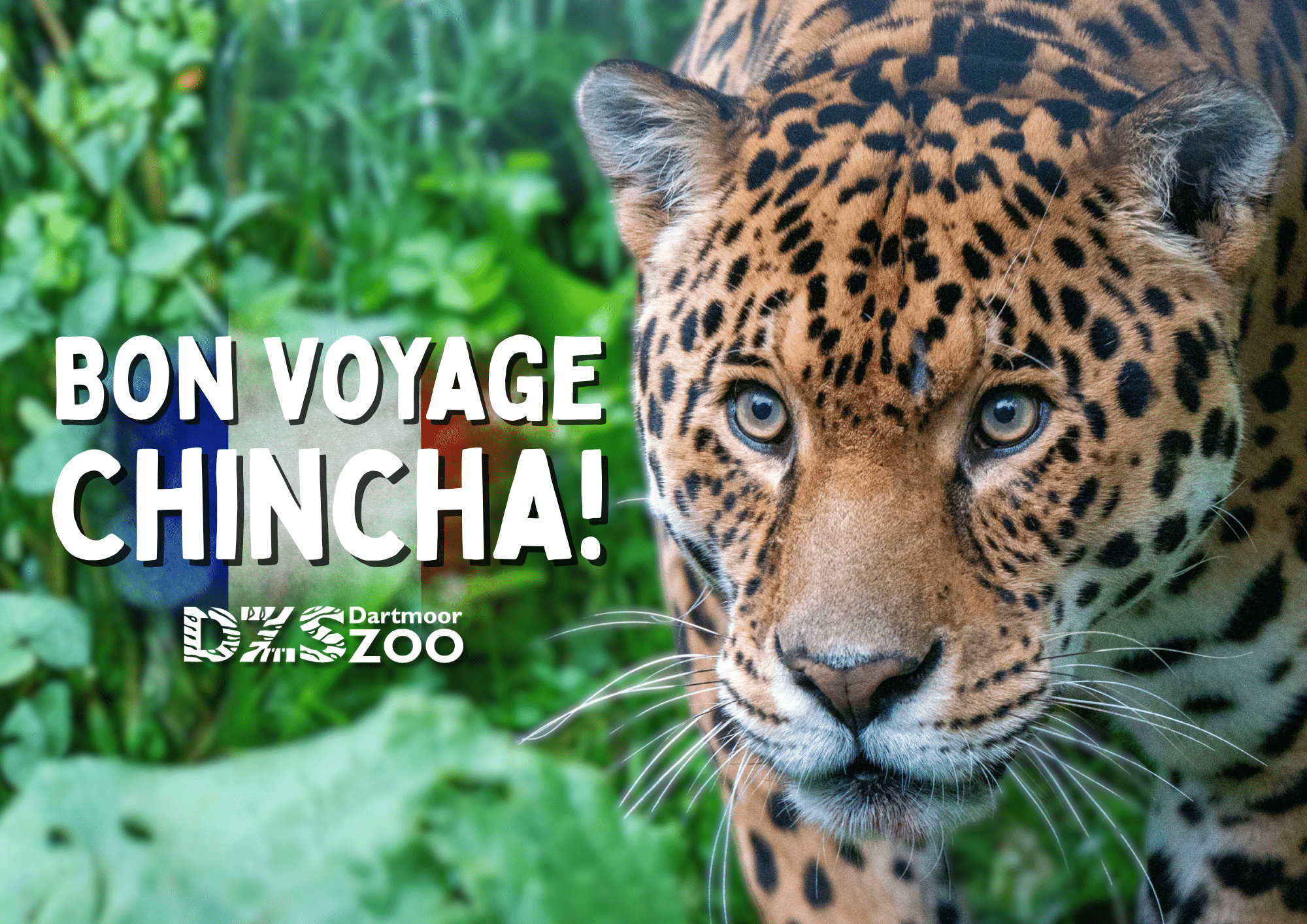
Originally from Parc des Félins, Chincha joined the Dartmoor Zoo family on 21st April 2015, and now exactly 11 years later, he’s making the return journey to his birthplace France, to become part of an international breeding program with Zoo d’Amnéville.
CEO,Dr David Gibson commented:
“Whilst it is sad to see the lovely Chincha leaving our collection, it is fantastic to know that he will be given the chance to breed and therefore preserve his highly valuable genetics within the global population of zoo held Jaguars. Zoo d’Amnéville has a wealth of experience with this species and we know he will be exceptionally well cared for.”
As a much-beloved resident of Dartmoor Zoo, saying goodbye has been particularly difficult for staff and guests alike who have formed incredible bonds with Chincha over his time here. However, everyone is also incredibly excited for Chincha’s next chapter and to see him make a vital conservation impact by becoming a dad!
Head Keeper,Jenna Crawford commented:
“We’re so delighted to have provided a loving home for Chincha these past 11 years. We have absolutely no doubt that he is going to be an exceptional member of the collection at Zoo d’Amnéville, and whilst we will of course miss him, there is no greater reward as a keeper than seeing the collaborative efforts of multiple zoological institutions pay off. Chincha is beginning his journey into the vital conservation and breeding program for his species, and thanks to the teams here at Dartmoor and Zoo d’Amnéville, the safety net for jaguars will continue to thrive.
In a fitting farewell, Chincha will leave us exactly 11 years to the day that he arrived from France! Paws crossed his French isn’t too rusty!”
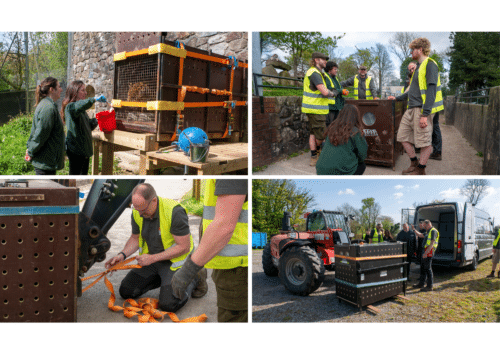
We’d also like to thank SafetyLiftinGear and CBL Saltash & Central Parts for helping make this move possible. SafetyLiftinGear, generously donated their time along with essential lifting, rigging, jacking, and height safety equipment, while CBL donated their time and a telehandler to ensure the smooth running of the move.
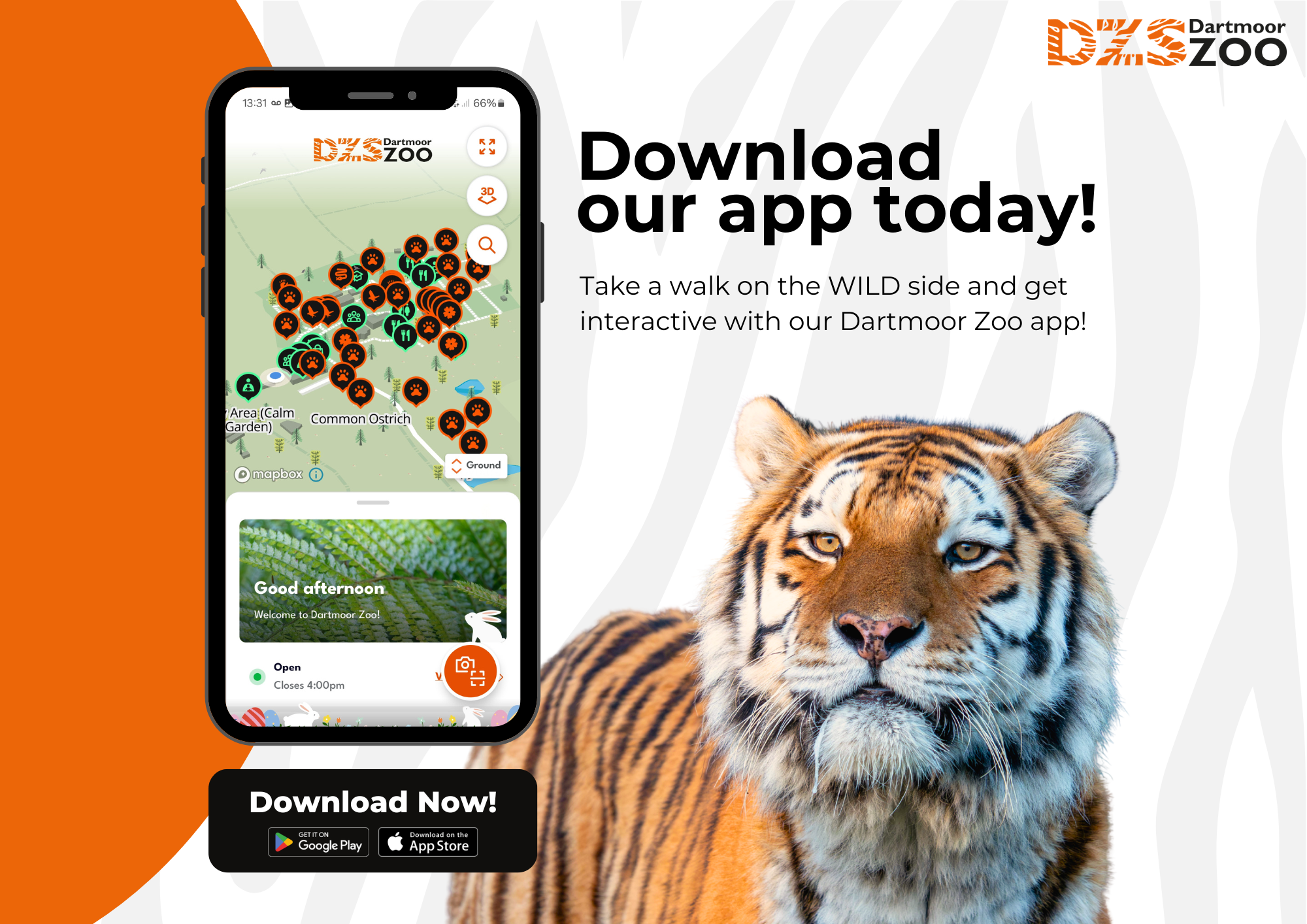
Take a walk on the WILD side and get interactive with our Dartmoor Zoo App!
Download and register before you arrive to learn more about us, what to expect and how to plan your day accordingly, plus get excited to meet all of our incredible residents with fun facts about each and every animal!
Use the App during your visit to explore our site, find out about our habitats and the species within them, how to adopt an animal for an entire year, or what experiences might be available on the day, find out about our daily talks and most importantly, get closer than ever before to your favourite animals!
The interactive map is there to help you navigate our 33-acre site, to ensure you don’t miss a single thing! Also make sure to check out if we have any trails or quizzes to keep the little ones engaged for the entire afternoon. Likewise, make sure you check out our custom frames, so you can snap and save those cherished memories!
Experience more with Dartmoor Zoo and begin your adventure here – download today!
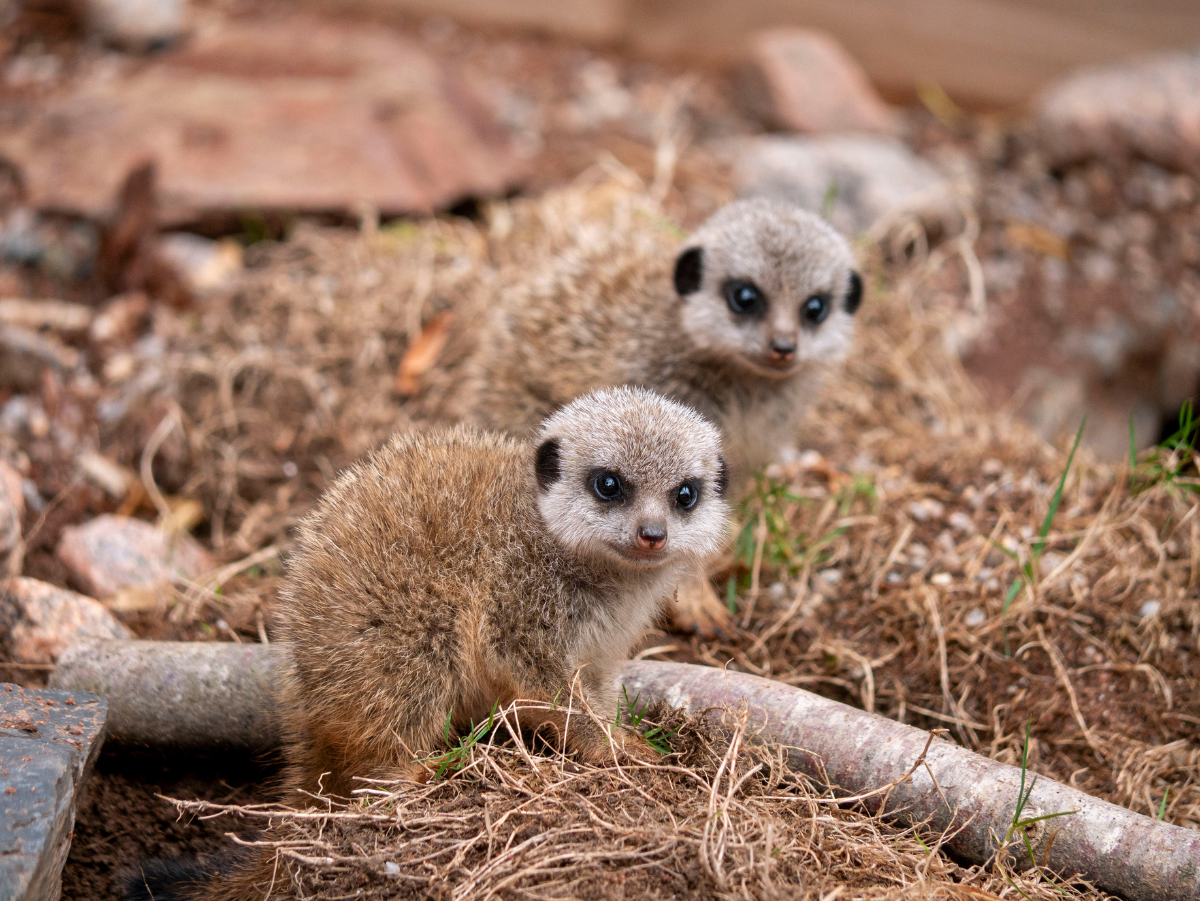
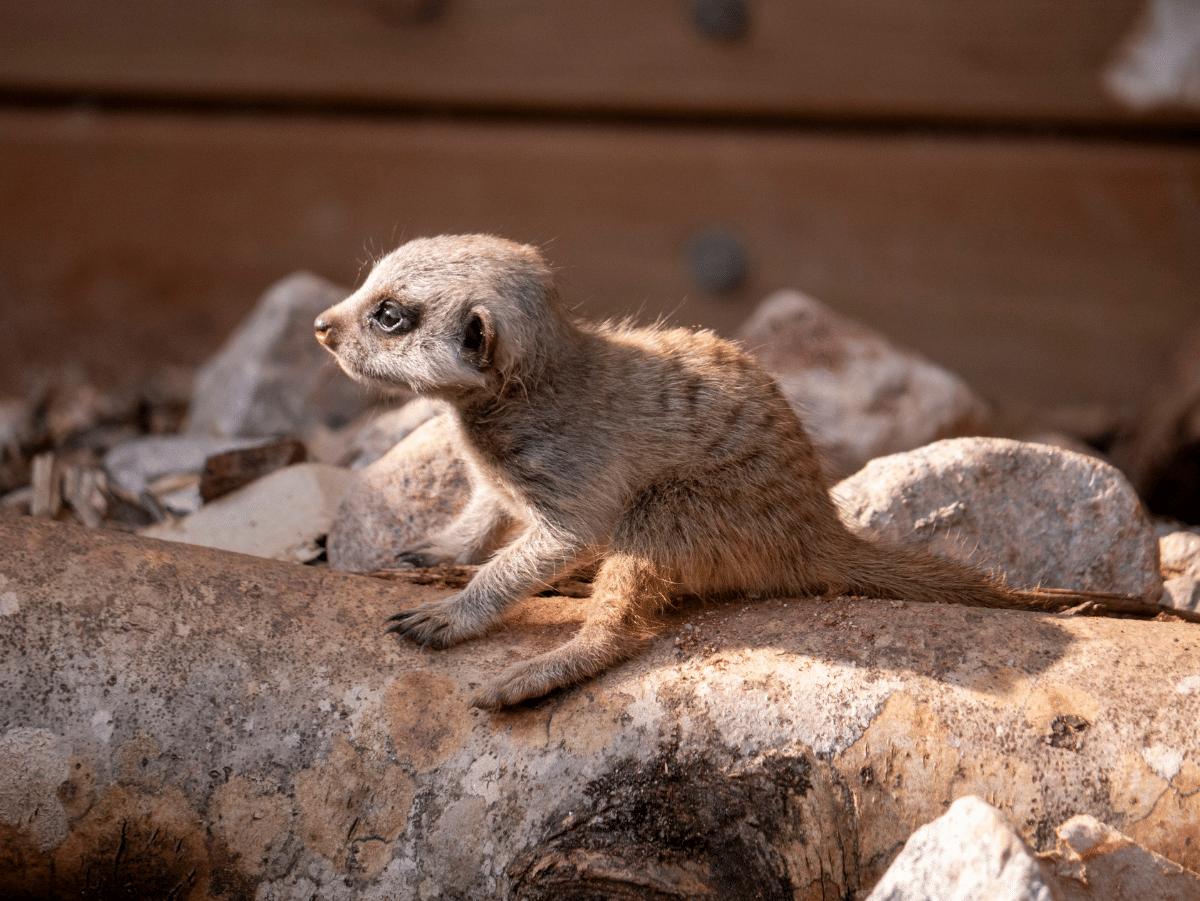
We’re incredibly blessed to announce that not only do we have three meerkat pups, we’ve also now got three baby goats that have been welcomed into the world! If that wasn’t enough, both sets of triplets consist of 2 girls and 1 boy!
For just £3 (£1 per name) you can enter our competition and win the chance to name all three of our goats or all three of our meerkats.
Alternatively, if you just can’t decide which triplets you want to name (we understand – they’re all too cute!), you can pay £5 to throw your hat in the ring to name ALL SIX of our adorable newborns!
Each £3 or £5 counts as one entry, so if you want to better your chances of winning, you can enter multiple times!
This competition will be running from Friday 3rd April until Sunday 19th April, with a winner being announced at Noon on Monday 20th.
The winner(s) will be chosen at random via a random number generator (link provided in the T&Cs) and they will be emailed to confirm! The winning names will then be shared on social media on Monday 20th by 7pm.
All funds raised will go directly to support the Charity, Dartmoor Zoological Society.
Each £3 or £5 equals one entry, if you wish to have multiple entries, this can be done by purchasing another £3 or £5 ticket.
Names that include any offensive content will not be submitted into the random number generator and will be considered a lost entry – no refund will be given for these submissions.
The draw will take place on Monday 20th April via https://www.random.org/ where a number will be generated at random, and this number will reference a name on the draw list.
You must be 16 years or older to purchase an entry to this competition.
Entrants agree to use their name publicly via our socials and website to highlight they are a competition winner.
Personal data supplied during this promotion will be processed in accordance with Dartmoor Zoo’s privacy policy and in accordance with the Data Protection Act 2018.
Current employees of DZS and DZE are excluded from participating in the prize draw.
100% of funds raised will go to Dartmoor Zoological Society, who operate Dartmoor Zoo, with a mission “To conserve wildlife, promote wellbeing and educate future generations by inspiring people to be more engaged with nature.”
This competition is being organised by Dartmoor Zoological Society a Charitable Incorporated Organisation registered with the Charity Commission for England and Wales under number 1158422 whose registered office is at Dartmoor Zoological Park, Sparkwell, Plymouth, PL7 5DG
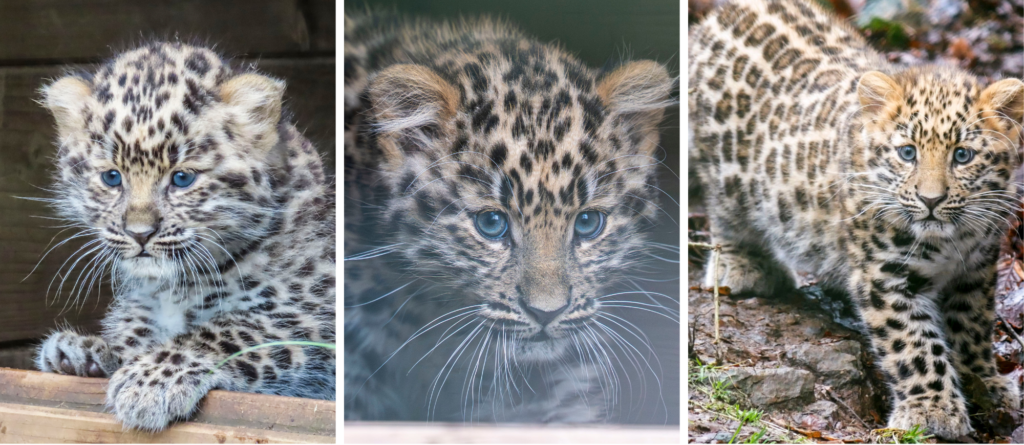
Today, March 29th 2026, marks a very special milestone here at Dartmoor Zoo. It is six months since the birth of our Amur leopard cub, Zeya. This day provides the perfect opportunity to look back on Zeya’s journey so far and share a glimpse into the care, dedication, and conservation efforts behind this rare cub.
Our Amur leopard conservation journey started many years ago, with fundraising efforts, careful planning and a goal to help this amazing species. In November 2023, Freddo, our male, joined us, followed by Lena, our female, in August 2024. After months of patient observation and management, swapping habitats and watching the two show positive signs between each other at fence line, our keepers introduced the pair in April 2025. It was a very tense day but thankfully a very successful one.
Then in the early hours of September 29th Zeya was born.
Dartmoor Zoo CEO – Dr David Gibson
“To Zeya, at six months of age, the world is an exciting place full of new experiences to explore and have fun with. She is completely unaware of just how important she is to her species. One of only 15 Amur Leopard cubs born in 2025, she is helping to ensure that the zoo population of Amur Leopards continues to thrive, solidifying survival of this critically endangered species. She is also helping Dartmoor Zoo continue to deliver vital conservation work by attracting 1,000’s of visitors who flocked to see her over the February half term in particular. These visitors have enjoyed watching Zeya as she continues to grow and explore her surroundings under the watchful eyes of Mum Lena.”
We now are going to hear from keeper Hannah, one of our keepers who has worked closely with our leopard family and will share her insights into Zeya’s first six months:
‘Since their arrival and successful pairing, ultimately leading to Freddo and Lena bringing Zeya into the world, it has been my career highlight getting to be a part of this journey and work with such a critically endangered species. Zeya’s birth has been such a big event for the zoo and I’ve loved seeing people support us and be patient whilst trying to catch a glimpse of Zeya.
It’s was a genuine honour to watch her birth on camera at 12.33am on 29th September 2025 from the comfort of my sofa, watching all the very nervous moments as Lena tackled the first few weeks of motherhood, and being there to witness her first appearance out of the den. Maddy and I did her vet checks, at 9 and 12 weeks old which was a very cool learning curve to experience holding a tiny yet incredibly feisty baby leopard.
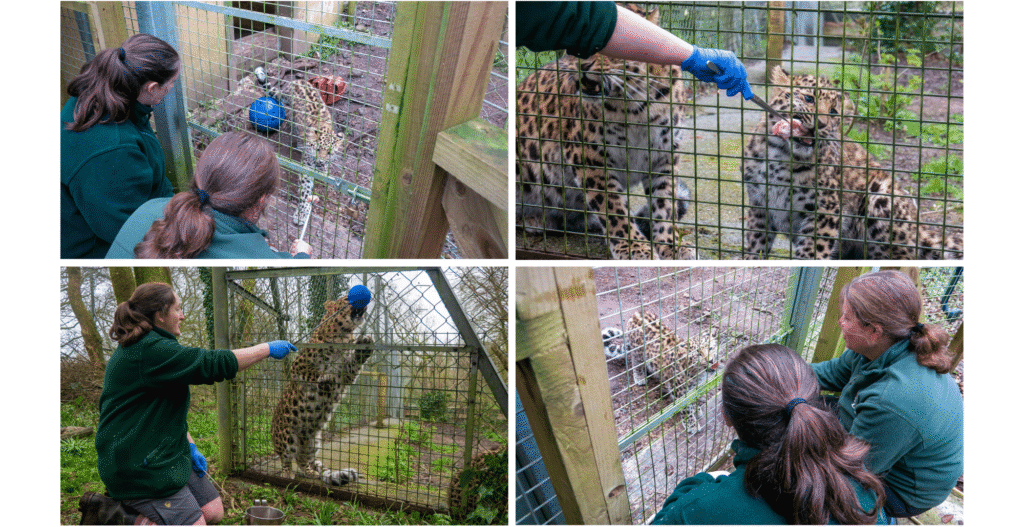
I have loved seeing her personality grow. She is a very confident youngster with a lot of energy, and has taken on the sassy nature of her Mum and the goofy nature of her Dad. She is currently going through the stage whereby she’s having to learn that she can’t be take food out of Lena’s mouth anymore and that she has to work for her own food, much to her annoyance. Zeya is a very smart girl – we started target training with her at approximately 14 weeks old when she was weaned onto solid food and she got the hang of it very quickly. She has also conquered the scales so we can measure her growth, she’s already an impressive 14kg! We have progressed further to get her sitting in the adult training shute for injection training, but as she’s still a bit too small, we have made her a smaller version so we can start the next stage of her training in the near future. We will also be looking to start crate training with her in the next few months to prepare her for when she leaves us for a new home when she’s old enough. Zeya is a growing girl that is very food motivated, to the point she screams and will try to push ahead of Lena to get food, so we need to work on her patience. She has also met several new members of staff, volunteers and public and knows how to work a crowd. She’s just starting to feel comfortable with exploring new areas of the enclosure with public around including down by the viewing window, which is lovely to see as previously Lena has been very shy around this area, whereas Zeya is confident to explore.
The whole experience has been new for us keepers, as this is the first leopard cub ever born at the zoo, but also a big learning curve for Lena too as she’s a first time Mum. Lena has adjusted very well to motherhood and is extremely protective of Zeya, but as Lena’s confidence has grown alongside Zeya’s, they are happy to spend time apart so Zeya can go off and explore, but they are always in contact with each other and will often be seen curled up together after they’ve finished exploring.
We are very lucky that everything has gone pretty smoothly and Lena has done an amazing job, but I’d say the most challenging part has been Lena’s personality – Lena is a nervous individual and so she holds back if she’s unsure of anything, and she will often run into the den to hide until she feels safe to come out, and Zeya did do this for a while but she seems to have gathered her own thoughts and is confident to push past what Lena tells her to do (until Lena tells her off that is!).
Sometimes you meet an animal as a zookeeper and you create such a unique bond with them and they become like close family. This whole journey has been a very special one for me and I never take it for granted that I get to spend my life with the girls – they make me very proud!
One line to describe them – two peas in a pod!’
Thank you for joining us in celebrating these incredible animals and supporting their future! If you’d like to help us continue our important work, please consider making a donation.
As of 17/03/2026, Dartmoor Zoo achieved a mark of excellence in zoos and aquariums, attaining BIAZA Accredited status. This accreditation demonstrates reaching the world class standards set by the body for the best zoos and aquariums in the UK and Ireland, confirming that Dartmoor Zoo ranks among the top zoos and aquariums in the country.
Dartmoor Zoo is among the first to be accredited in the new scheme which has been launched by BIAZA. The comprehensive accreditation process includes screenings by industry experts, questionnaires and plenty of documented evidence. The process goes above and beyond the UK/Ireland’s zoo licensing inspection and marks the extra efforts of good zoos and aquariums in providing the very best in animal care and recognises their work to create a better planet for animals and people.
CEO Dr David Gibson commented: “As CEO I am delighted and proud that Dartmoor Zoo has been awarded Accredited Status by BIAZA. This is due recognition for the highly professional way that our zoo is run and managed and places Dartmoor Zoo among the very best Zoo’s in the country. The accreditation process was rigorous and left no stone un-turned, examining every aspect of the way the Zoo is operated and how we care for the welfare of the animals in our care. The report highlighted our outstanding Education, Research and Conservation work as well as the focus we have placed on assessing the welfare and health of our animals including the training regime we have in place to ensure veterinary procedures, such as annual vaccinations, are carried out. The membership standards required by BIAZA gone above and beyond those of the Zoo Licencing Act and are amongst the strictest standards for Zoo’s globally.”
Dartmoor Zoo is committed to nature and is proud of its many achievements including:
The birth of Zeya: 1 of only 15 Critically Engaged Amur Leopards born globally in 2025!
The implementation of animal training: Bringing practices such as vaccinations internally. Not only does this raise the skillset of our keeper team but results in better animal welfare by avoiding potentially negative experiences and instead, offers being with a familiar team and receiving positive reinforcements.
Dr Jo Judge, the CEO of BIAZA congratulated Dartmoor Zoo on their achievement. She said:“Receiving accredited status is not an easy thing to do. It is testament to the passion and hard work of every member of staff.
Our accreditation program means visitors can be sure that BIAZA zoos and aquariums are dedicated to looking after their animals to the highest standard and to inspirational work in conservation and education. We need good zoos and aquariums more than ever. We face a nature crisis and we have the power to make a big difference.”
In 2023, BIAZA zoos and aquariums collectively welcomed 32 million visitors, whose visits supported 1650 conservation projects, 1.2 million educational sessions and 1,346 research projects. These ranged from conserving elephants in Nigeria to reintroducing harvest mice here in the UK and providing schools with camera traps to explore our native wildlife.
There’s something quietly powerful about standing a few feet away from a tiger, hearing the rustle of leaves as marmosets leap from tree to tree, or locking eyes with a curious meerkat. Wildlife spaces invite us to slow down in a way that few other environments can. At places like Dartmoor Zoo, conservation isn’t just about protecting endangered species. It’s about protecting something in us, too.
When we step into a world shaped by nature and care, our nervous systems soften. Our attention steadies. We remember we’re part of something bigger. And that gentle shift can be surprisingly good for our mental wellbeing.
The Science Behind Nature and Mental Wellbeing
Spending time in nature is regulation for the nervous system. Research consistently shows that exposure to green spaces reduces stress, improves mood and supports cognitive functioning.
For example, a large-scale study published in Scientific Reports found that people who spent at least 120 minutes a week in nature were significantly more likely to report good health and psychological wellbeing. That’s not hours of hiking–it can be small, repeated moments.
Earlier research also found that people living in greener urban areas reported lower levels of mental distress and higher life satisfaction over time. Even brief encounters matter. Studies on “awe” experiences, such as observing powerful natural scenes or animals, show reductions in inflammatory markers and increased feelings of connection.
This shows that wildlife spaces offer something particularly potent. Watching animals move, play or rest encourages what psychologists call “soft fascination.” Unlike screens, which demand effortful attention, natural environments gently hold our focus. This allows the brain’s stress response to settle and cognitive resources to replenish.
In short, stepping into a carefully designed wildlife environment isn’t escapism. It’s restoration.
Why Wildlife Spaces Offer Something Unique
A walk in the park is lovely. But a wildlife space does something different.
Wildlife environments offer:
A sense of awe. Encounters with large or endangered animals can create moments of perspective. Awe has been linked to lower stress and increased feelings of connection to others.
Gentle, restorative attention. Animals move unpredictably. They invite curiosity without overwhelming the senses, helping the mind settle naturally.
Embodied presence. The sounds, smells and open space encourage you to step out of autopilot and into the present moment.
Meaning through conservation. Knowing that your visit supports animal protection adds purpose to the experience.
These spaces are also where life’s joyful moments can feel even richer. For instance, celebrating a birthday surrounded by wildlife isn’t just memorable. It layers excitement with connection, curiosity and care for the natural world.
It’s wellbeing woven into experience, not added on as an afterthought.
Wildlife Spaces and Workplace Wellbeing
Nowadays, workplace wellbeing isn’t built in a boardroom. It’s shaped by experience.
Traditional away days often revolve around presentations and polite small talk. But when teams step into an outdoor wildlife setting, something shifts. Shared curiosity replaces hierarchy, conversations feel more natural, and people connect side-by-side rather than across a table.
Of course, a powerful day out is only one piece of the puzzle. Organisations that want lasting impact often pair experiential wellbeing initiatives with structured support, such as evidence-informed mental health awareness training, ensuring connection turns into sustainable cultural change.
Wildlife, Community and Meaningful Gatherings
Where we gather shapes how we think and feel. Try swapping a windowless conference room for open skies and the distant call of animals, and watch the tone change immediately.
Natural settings help people feel calmer and more open, which are two ingredients that make discussions more thoughtful and collaborative. For instance, hosting conferences in a wildlife environment can encourage clearer thinking, creative problem-solving and stronger audience engagement.
Spaces like Dartmoor Zoo offer a setting that feels purposeful rather than corporate. Delegates aren’t just attending another event; they’re stepping into a place rooted in conservation and community.
That shift in atmosphere can turn a standard conference into something more reflective, memorable and genuinely human.
Conservation, Connection and Long-Term Mental Health
Wildlife spaces remind us that wellbeing doesn’t have to be complicated. Sometimes it starts with fresh air, shared laughter, and the quiet wonder of watching another species simply exist.
Whether it’s a family celebration, a team day, or a conference with a difference, time spent in nature-backed environments offers more than a pleasant outing. It restores perspective. And in a world that moves quickly, that pause matters.
Supporting conservation doesn’t just protect animals. It protects the parts of us that feel calm, connected and capable of hope.
Today is World Serval Day, a time to celebrate and raise awareness of one of Africa’s most extraordinary wild cats. The serval (Leptailurus serval) is a lesser-known African feline, instantly recognisable for its long legs, golden spotted coat, and remarkably large ears.
Native to sub-Saharan Africa, servals thrive in grasslands and wetlands. Their long legs help them navigate tall grasses, while their oversized ears allow them to detect prey hidden underground. In fact, servals have one of the highest hunting success rates of any wild cat.
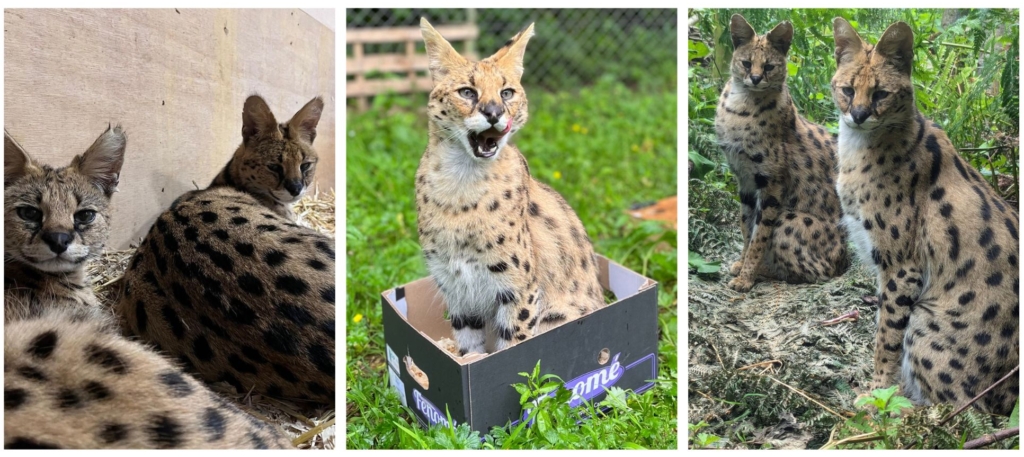
Here at Dartmoor Zoo, we are proud to care for two servals, our male, Churchill, and our female, Sabra. Today is particularly special for us, as it marks one year since Sabra joined Dartmoor Zoo and was introduced to her companion. Watching their bond develop over the past year has been incredibly rewarding for our team, especially since they are almost always side by side.
Churchill’s journey with us began with his rescue in January 2025, when he was removed from concerning conditions and given a second chance at a forever home here at Dartmoor Zoo. His story is a powerful reminder of why wild cats like servals need specialist care, protection and responsible guardianship.
You can read more about Churchill’s rescue and his first year with us by checking out our 1 year blog!
Five Facts About Servals
Built for hunting – Servals have the longest legs relative to body size of any cat.
Exceptional hearing – Their large ears can detect movement beneath the ground.
Incredible jumpers – Servals can leap up to 10 feet (3 meters) into the air to catch birds in flight.
Rodent control experts – A single serval can catch up to 4,000 rodents in a year.
They like water – Unlike many cats, servals enjoy water and are strong swimmers.
While servals are native to Africa, the challenges they face are not confined to the wild. Beyond habitat loss, one of the most pressing threats to this species is the illegal and unethical exotic pet trade. Demand for wild cats in domestic settings continues to place servals at risk.
Particularly concerning is the breeding of servals with domestic cats to create hybrids such as the Savannah cat. These hybrid cats are often marketed as rare or exotic pets, but this unnatural breeding produces animals that are not fully domesticated and can suffer from poor welfare standards. They may be kept in small, unsuitable environments and are frequently bred purely for profit.
In the UK, Savannah cats can legally be owned, and unregulated sellers continue to advertise them online. This trade directly fuels suffering, both for the wild servals used as breeding founders and for the hybrid offspring that often end up in inappropriate homes.
By choosing not to support this, you can play a vital role in protecting servals and promoting responsible animal welfare. If you are thinking about getting a domestic cat, always research carefully and look to a reputable rescue centre near you, where cats are rehomed safely and ethically.
Thank you for joining us in celebrating these incredible creatures and supporting their future! If you’d like to help us continue our important work, please consider making a donation.
SeaMoor Lotto is an exciting weekly lottery that raises money for good causes in South Hams and West Devon such as ourselves here at Dartmoor Zoo!
Play the lottery, support Dartmoor Zoo and potentially win some prizes while you’re at it – it’s that simple!
Tickets for the lottery cost just £1 a week. Each ticket has a 1 in 50 chance to win a prize each week, with a top prize of £25,000! There’s a better chance of winning the jackpot of SeaMoor Lotto than the National Lottery or the Health Lottery.
Each ticket has six numbers and each number is between 0 and 9. There will be a draw every Saturday night when a six digit winning combination will be picked. Prizes will be given to players with tickets that match the first or last 2 to 6 numbers from the winning combination. Match all six and you win the jackpot!
Out of every £1 ticket sold, Dartmoor Zoo will received 50p, with another 10p going towards other great causes within the South Hams and West Devon district, so by playing the lotto, you can put the fun into fundraising and support your local Zoo!
At Dartmoor Zoo, we have an incredibly biodiverse site with a bid to promoting lots of native wildlife! Each year, we’re blessed with a huge selection of Red Admiral butterflies, that enjoy basking in the sun and all of our wonderful flowers on site.
This Spring, why not name a butterfly after a loved one and support native conservation in the process? Or maybe this is the perfect present for Mother’s Day!
For just £10.99 you get:
A certificate (blank for your personalisation) for your butterfly’s name of choice
Butterfly print bamboo socks (Size 4-7)
A pack of wildflower seeds for your own garden, to bring all those wonderful butterflies to you
All proceeds go directly towards native conservation around our site – thank you for your support.
Please note: These will be sent 2nd class delivery.
T&Cs
This is a representative naming of a native species, although you can visit the Red Admiral butterflies on site, there is no way to directly identify which butterfly you have named.
One of only 15 Amur Leopards born globally in 2025, Zeya has been the talk of the city, with visitors eager to view the cub in person and as of Saturday 31st January, the wait is finally over! After initial vet checks and vaccinations, the decision was made to move Zeya and Mum Lena into Dartmoor Zoo’s on-show habitat on Monday 26th January, providing a couple of days for adjustment and continued welfare checks to ensure both Mum and cub are doing well in their new environment before public viewing commences.
CEO David Gibson commented: “Moving Mum Lena and cub Zeya into the main Amur Leopard enclosure here at Dartmoor Zoo is a momentous occasion. Our keepers have had the privilege of watching this incredibly important young Leopard grow up and explore the world around her over the last few months, but now our visitors will have the chance to share in this enjoyment and see how Zeya develops the skills and ability she will need in years to come.
We feel extremely proud to be able to play a small part in safeguarding the Amur Leopard for the future.”
Amur Leopards are regarded as the world’s rarest Big Cat with only an estimated 120 left in the wild. This number has been slowly increasing in recent years due mainly to improved legal protection and enforcement in their range countries. For this reason, the IUCN categorises the Amur Leopard as being Critically Endangered.
Although it is not currently possible to consider re-introductions of animals into the wild, maintaining a healthy growing population of Amur Leopards within the world’s zoos is essential to ensuring the continuing recovery of this enigmatic and highly secretive predator.
Although initial welfare checks are positive, Zeya is still adjusting to the move and exploring her new habitat, so we please ask guests to be calm, quiet and respectful when visiting our Amur Leopard family to enable them to feel comfortable and continue to thrive.
If you are able and willing, please donate towards more conservation projects like this, to help Dartmoor Zoo keep up the good fight!
Today is International Zebra Day, a day dedicated to celebrating our striking black-and-white friends and shining a spotlight on the importance of protecting this iconic species. It’s also a great opportunity to take a closer look at what goes on behind the scenes when it comes to caring for these incredible animals.
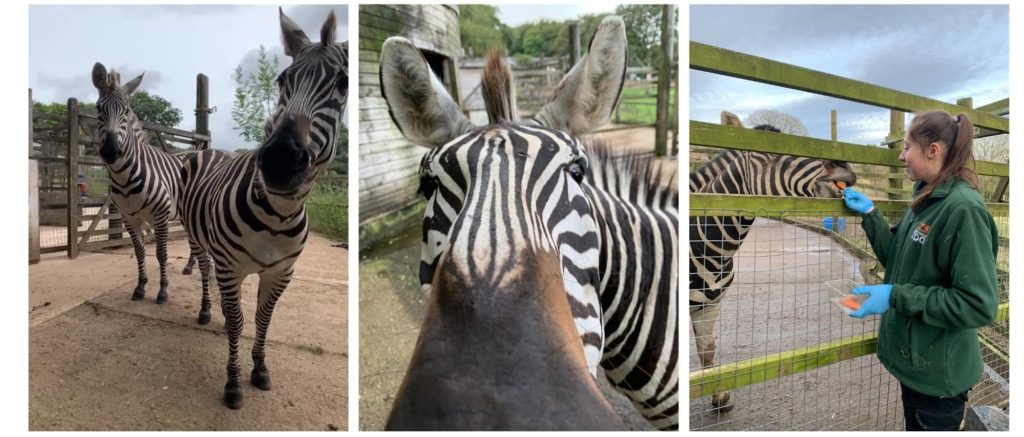
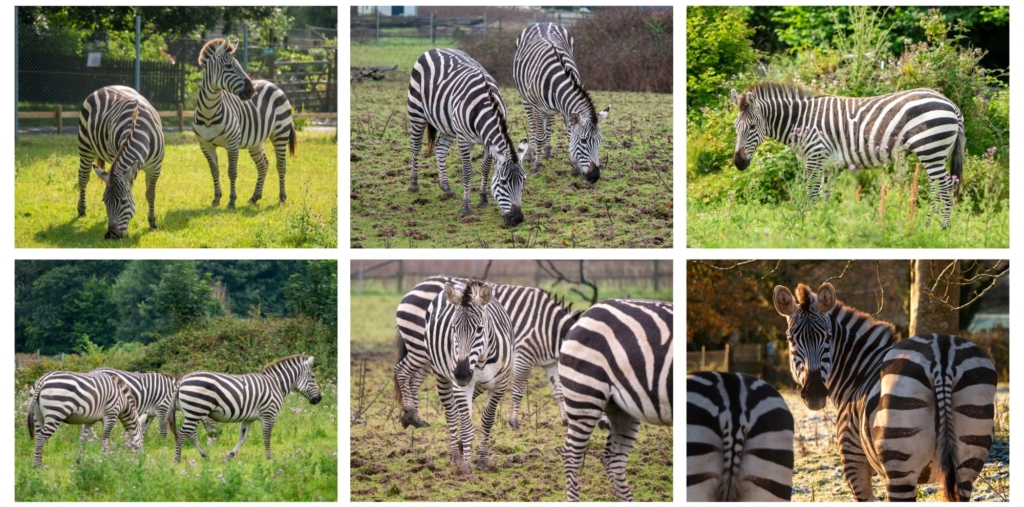
At Dartmoor Zoo, we’re lucky to be home to three Grant’s Zebra, a subspecies of Plain’s Zebra. To mark the occasion, we’re handing things over to Abbie, one of our keepers, who will be sharing her first-hand experiences of working with our Zebras and what it’s really like to care for them day to day.
Hi, my name is Abbie and I am one of the keepers here at Dartmoor Zoo. I have been working at the Zoo for 3 years and work across multiple sections with many different animals. Out of each of the sections, my favourite is African because it has the most hoofstock animals, a huge passion of mine. So, you may be thinking what exactly is “hoofstock”? Hoofstock is a term we use to describe hooved animals like Zebras.
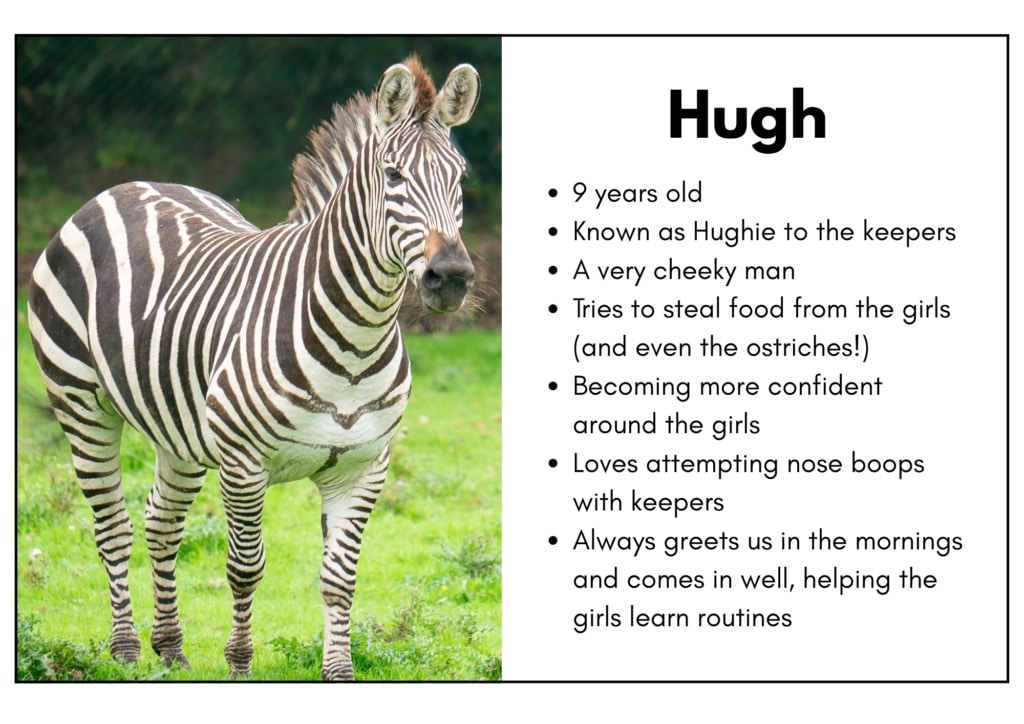
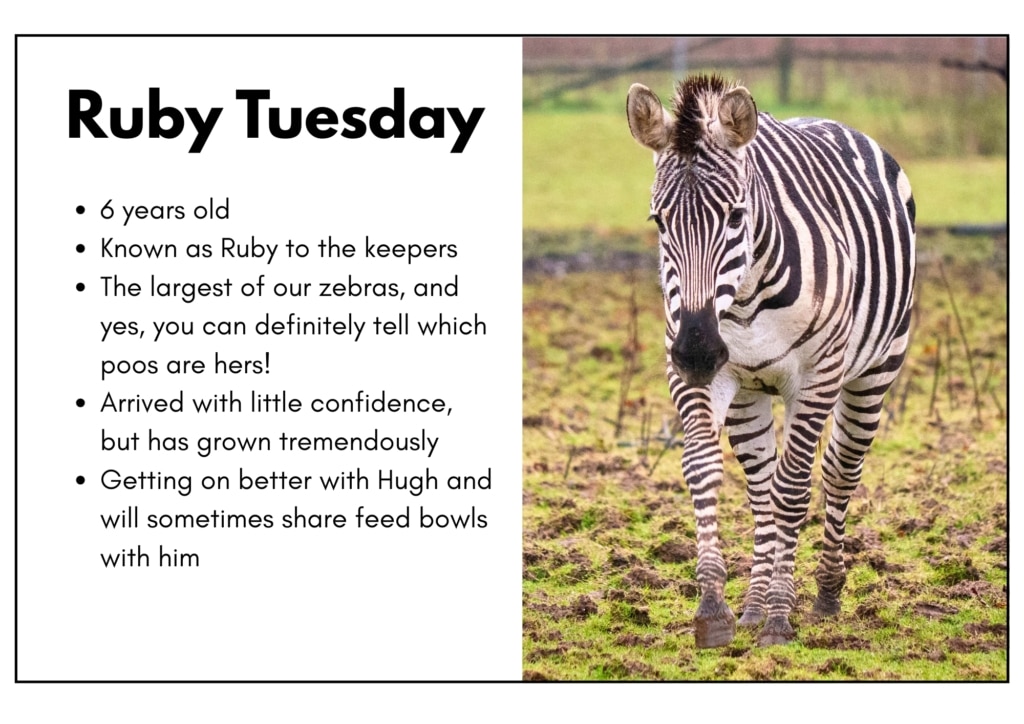
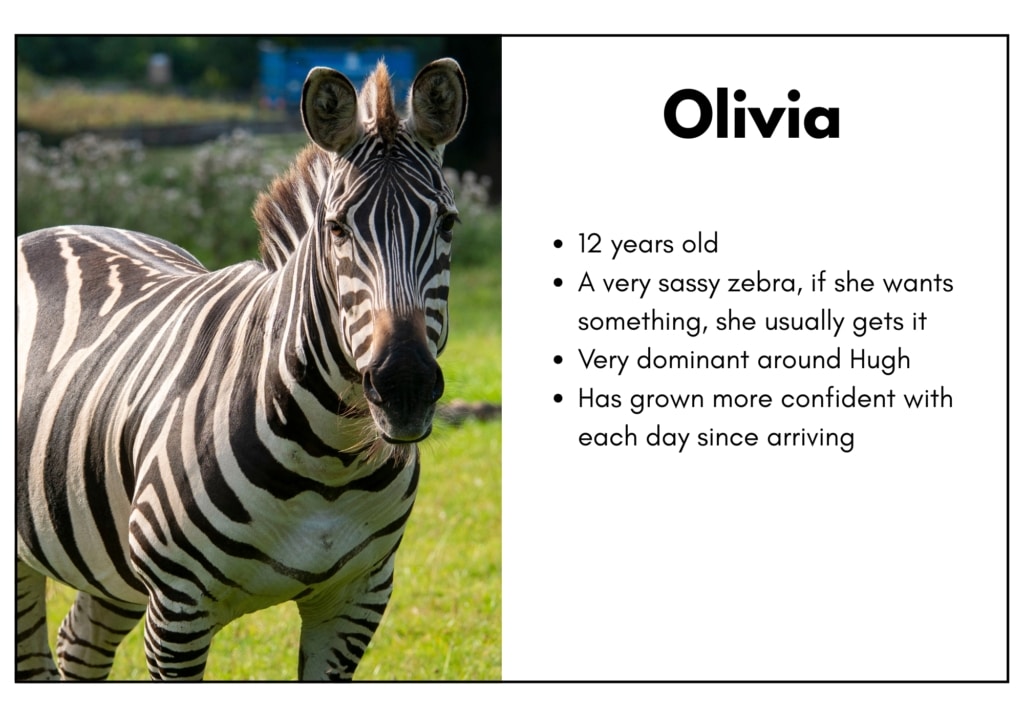
Since I have been at the Zoo, we have always housed Plain’s Zebra. There are seven different subspecies of Plain’s Zebra, and during my time here I’ve been lucky enough to work with many individuals, both our current residents and some we’ve had in the past. When I first arrived at DZS, we had three male Zebras: Parsley, Forest and Hugh. Today, we’re home to three Grant’s Zebra, Hugh, Ruby Tuesday, and a very special mention to yesterday’s birthday girl Olivia! Happy belated birthday, Olivia!
Fun fact about our girls: Olivia is Ruby Tuesday’s mum!
Meet Our Zebras
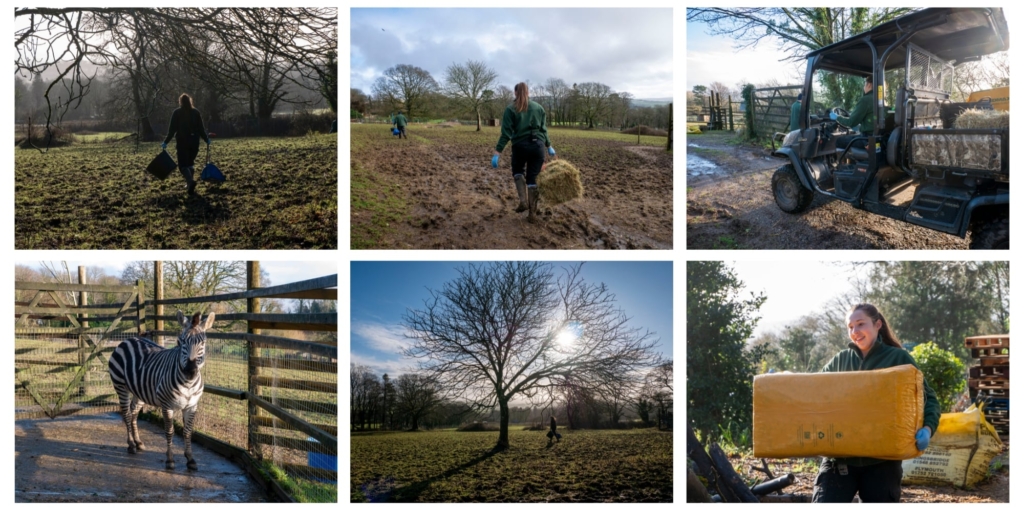
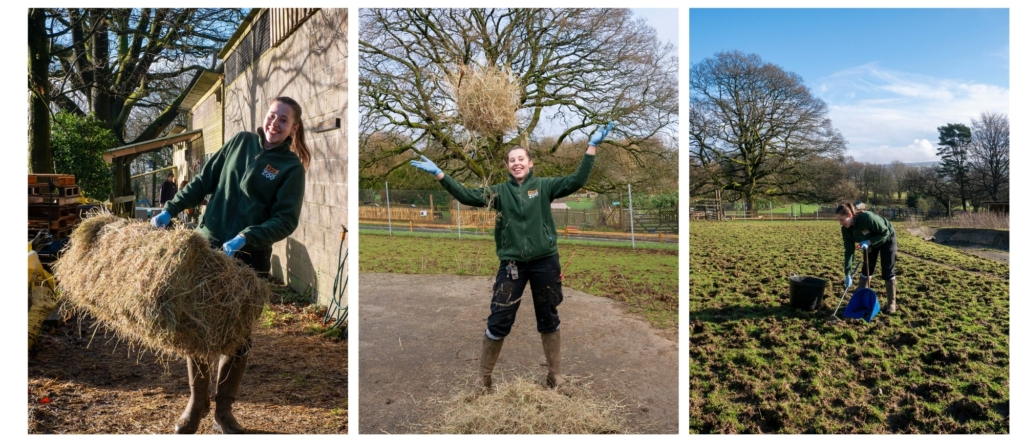
Hay is always part of the uniform when you’re a hoofstock keeper!
I like lots of things about Zebras, but if you were to ask what specifically I would have to say they are stunning animals who are really intelligent. This coupled with their individual unique personalities; is why I really enjoy working with them. No two days are the same when working with the Zebra and that in itself is really enriching for me, even though the fundamentals are the same, the variety keeps me engaged. I am incredibly lucky to work with 3 incredible Zebras every day and I truly mean it when I say that I am living my dream!
Working with Zebras sometimes presents unique challenges, which sometimes require problem solving. As Zebras are wild and can be unpredictable it is important not to become complacent when working around them because they are intelligent and have highly defensive instincts which have evolved over time from facing a lot of predation, meaning they can be quite dangerous to work with especially when in close proximity.
My top 3 Zebra Facts
A group of Zebra is called a dazzle – because when the herd is stood together in the African Plain’s a predator cannot pick out a single outline of 1 zebra due to their stripe patterns and being stood together – it breaks up their outline!
Are zebras black with white stripes or white with black stripes? – they are black with white stripes! Just like Polar Bears have black skin and white fur, zebras have black skin and white stripes. The primary reason for this is to prevent biting flies, such as horse flies.
Zebras stripe patterns are unique, like our fingerprints!
Why is International Zebra Day important?
It’s really important for Zoos to educate about Zebras because Zebras play a vital role in keeping the African Plain’s habitat biodiverse. Not only are they a fundamental species for predators such as lions and hyenas, but they also help to manage the ecosystem they live in. Being grazers, Zebra can eat long and tough grasses that other species within their ecosystem cannot. Furthermore, education helps highlight the threats Zebras face in the wild including poaching and climate change. One of their largest threats is something called habitat fragmentation. This is where large areas of habitat are broken down into smaller areas, usually caused by human activity such as building roads, infrastructure, or even agricultural purposes.
It is also important for Zoos to raise awareness of conserving Zebras because educating can inform the public of information like the fact that Zebras are not like horses, they are wild animals and can be unpredictable. Zebras are often used as a big attraction for tourists, especially during the migration, and as more and more people go to see the migration each year, education about these animals is vital to help protect them.
Today being International Zebra Day is a focal point for us to raise this awareness to help protect and conserve the species.
Advice for Aspiring Zookeepers
My top tips for wanting to become a zookeeper in the future are to work hard and show passion in the care for every animal you meet, and where you can – get volunteering! I always say any experience with animals is good experience. Whether that be exotic animals or domestic animals, it all helps to widen your skills and knowledge needed to become a zookeeper, and all the skills you learn are transferrable. Zookeeping isn’t just cuddling animals all day it is a very physically demanding job and includes a lot of cleaning and picking up poo, so be prepared for that! If you are determined, keep working hard, eventually you will get there, for the right person this is the best job in the world. For me this is my dream job, and I always say to people I’m so lucky I don’t feel like I work a day in my life because that’s how much I love being a zookeeper.
Thank you for joining us in celebrating these incredible creatures and supporting their future! If you’d like to help us continue our important work, please consider making a donation.
In celebration of Valentine’s Day, treat your loved one (or yourself!) to one of our limited edition, Valentine’s Day Adoptions, shining a spotlight on some of Dartmoor Zoo’s favourite couples! Limited numbers are available and these are only on sale from Tuesday 27th January – Friday 13th February, so be sure to secure one of these adorable packs before it’s too late!
Leopard
Possibly our most famous Zoo couple, recent parents Lena and Freddo! With less than 120 Amur Leopards left in the wild, they are not only considered ‘Critically Endangered’, but they are referred to as the world’s rarest big cat. Enjoying parenthood with their cub Zeya, you can find this fluffy family enroute to our Reptile and Bug House!
Lynx
Do Lynx have a special place in your heart? Flaviu and Emily, affectionately known as ‘Flavily’ are one of Dartmoor Zoo’s original couples, who became parents for the first time in May 2024. All loved up, you can see them together near our Tiger habitat, along with their kit, Carpi.
Meerkat
If you swoon for the small and impossibly cute, Ben and Geri might just be the Dartmoor Zoo couple for you! Sharing Meerkat Manor with their two pups Endeavour and Everest, you can hear their adorable squeaks before you see them!
So what’s included in your adoption?
Presentation Folder
Car Sticker
Adoption Certificate (blank for your personalisation)
Fact Sheet and Accompanying Photo
Thank you, Letter
Leopard/Lynx or Meerkat Plush
Bamboo socks of your choice (choose your option at point of checkout)
Please note: These will be sent 2nd class delivery, so please ensure you order within enough time to receive this for Valentine’s Day – we accept no responsibility for late deliveries.
On 21st January 2025, Dartmoor Zoo welcomed Churchill, a male serval. He arrived under circumstances that would change his life forever and, in many ways, ours too.
When we first heard about the situation at The Cat Survival Trust, we knew we needed to help. Churchill was recused alongside 27 other cats from deeply concerning conditions, who have now gone to other collections to begin their new life. Thanks to the collective efforts of Dartmoor Zoo, Hertfordshire Zoo and The Big Cat Sanctuary, Churchill was given a second chance, and a forever home.
Since that day, Churchill has settled into life at Dartmoor Zoo, growing in confidence, character, and curiosity. From the careful preparation of his new habitat, to being introduced to his companion Sabra, every step of his journey has been shaped by patience, dedication, and an unwavering commitment to his welfare.
Now, a year on from his rescue, we’re reflecting on how far Churchill has come, from a serval at risk, to a much-loved individual thriving at Dartmoor Zoo. His story is one of resilience, collaboration, and the difference that timely intervention can make for wild animals in need.
As we mark this milestone, our CEO Dr David Gibson, Keeper Hannah Ivory, and Head of Estates and Maintenance Stuart Franklin share their reflections on Churchill’s first year with us.
Dr. David Gibson, Dartmoor Zoo CEO.
“Rescuing an animal is never straight forward. Along with the logistics and challenges that come with the initial rescue there is always a worry of how badly the animal has been affected by its experiences. What will its long-term health be like, how resilient will it be psychologically? Thankfully in the case of Churchill the male Serval our worst fears didn’t materialise.
A year on and he has settled into life here at Dartmoor Zoo perfectly. Thankfully he is fit and healthy with a great appetite and doesn’t seem to have any underlying health issues that we can see. He has accepted his companion, Sabra, extremely well and his interactions with our keepers are playful and full of trust. He is undoubtedly living a very worthwhile life, free of stress and anxiety and we look forward to him being in the zoo for a long time to come.“
Hannah Ivory, Dartmoor Zoo Keeper.
“Churchill came to us with some questionable serval manners but has settled really comfortably into life with our female, Sabra, who has taught him many a lesson on cat etiquette. He has always showed his keepers his very cheeky and playful nature and his love for food, with anything he can jump and throw around in the air being his favourite.
The duo are now inseparable and although she isn’t afraid to tell him off for trying to steal her food, they love spending time together snuggled up in their beds or investigating new enrichment items together.”
Stuart Franklin, Dartmoor Zoo Head of Estates and Maintenance
“Churchill was the first new addition to the zoo after I started. It was really exciting to be involved in the rescue of such a charismatic animal. Right from the very first day it was as though he had spent his whole life at the zoo. His smiling, friend-shaped persona has made him a firm favourite of mine.
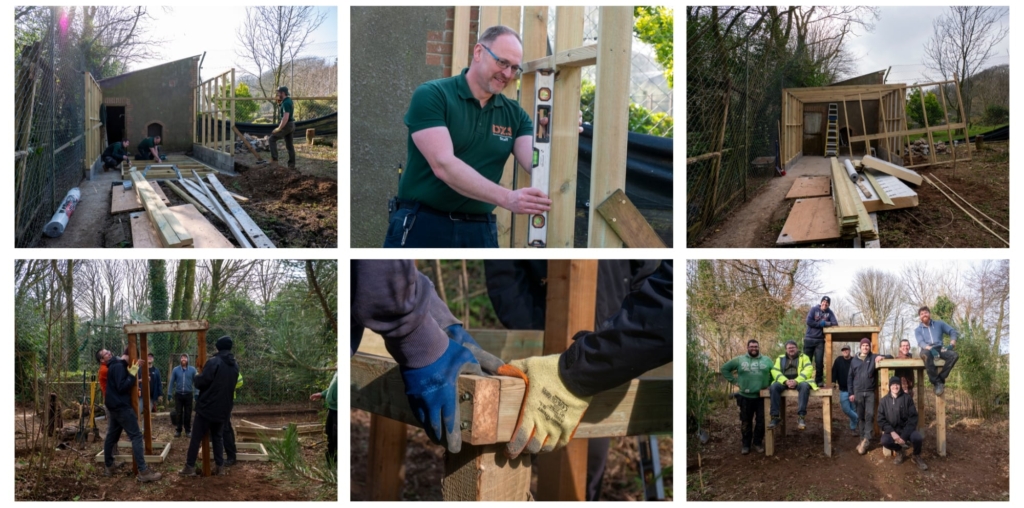
The house in his new home was built from scratch specially with servals in mind – warm, well insulated. Over the period of construction probably around 150 people were involved, including a large number of volunteer groups, without which we could never have finished in the timescale.”
Thank you for joining us in celebrating Churchill’s first year with us. If you’d like to help us continue the important work we do at Dartmoor Zoo, please consider making a donation.
Get ready to have the most magical Christmas for as little as £5!
Dartmoor Zoo are thrilled to announce our Mega Christmas Bundle worth over £1500 is back! We’d like to say a massive thank you to everyone that donated the incredible prizes below, we’re truly grateful for your support.
So, what’s up for grabs?
– PlayStation 5 (disc edition) – Beats Bluetooth speaker (Donated by Charitable Giving) – Meet the Tiger Experience at Dartmoor Zoo – Giant plush (animal of your choice – sloth, tiger, snow leopard or capybara) from Dartmoor Zoo – Bronze adoption (animal of your choice) from Dartmoor Zoo – R2D2 Lego Set – Charlotte Tilbury Beauty Icons Set – Spa voucher for 4 at Dartmouth Hotel – Family ticket to watch Plymouth Albion – A collection of beautiful wildlife art – Family ticket to enjoy a round of mini golf at Paradise Island Adventure Golf – Morphe Makeup Brushes – Laniege Glowy Lip Balm Set – The Ordinary Icons Set – Sea minerals and Sage Reed Diffuser
One FREE postal entry per person.
Running Dartmoor Zoo costs around £32,000 a week! By entering the Dartmoor Zoo Prize Draw, you’re not only getting a chance to win an incredible selection of prizes, but you’re also contributing to a cause that impacts wildlife conservation and education. Your support is invaluable in helping us continue our mission to protect and understand the animal kingdom. Thank you!
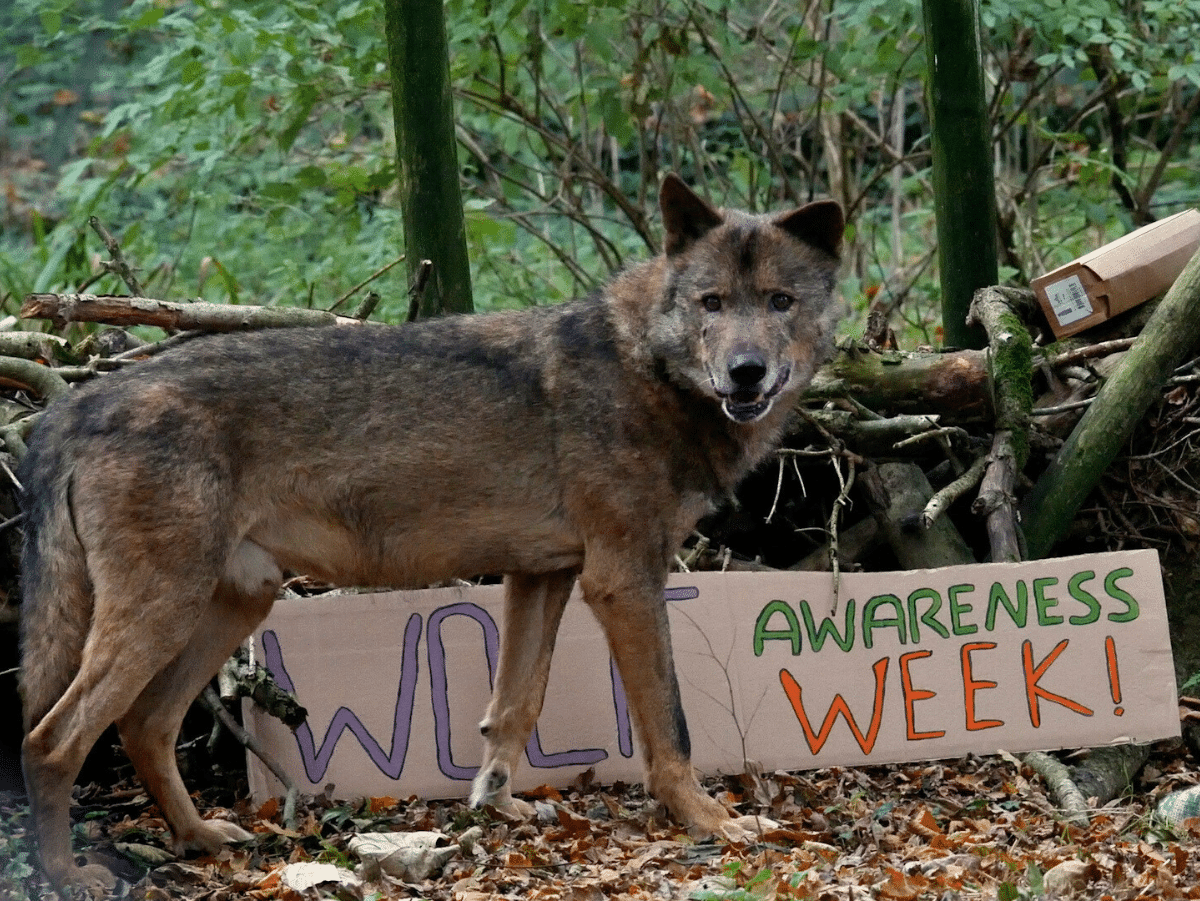
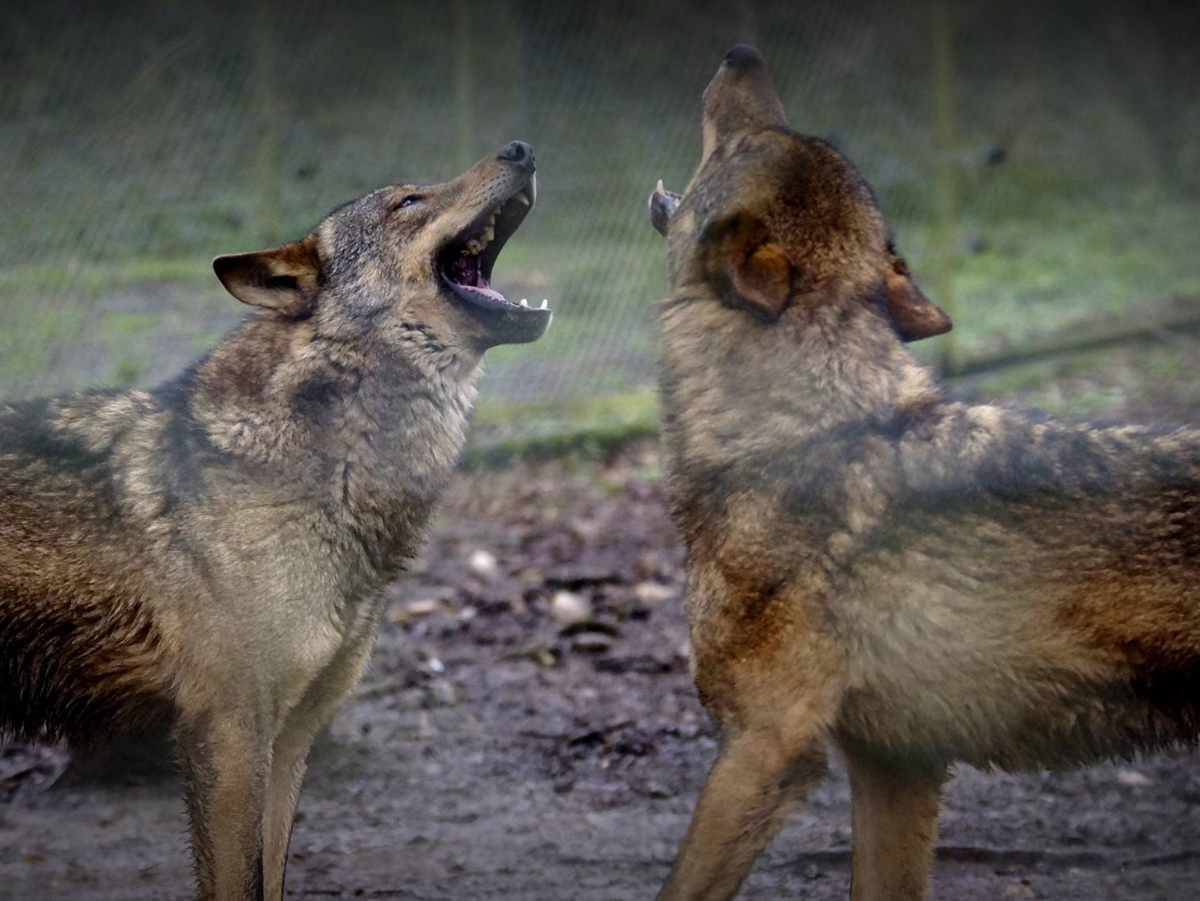
This week (October 19th – 25th) we join wildlife lovers worldwide in celebrating Wolf Awareness Week 2025, a time to recognise one of natures most fascinating, intelligent and misunderstood animals.
Wolves have shared the landscape with humans for thousands of years, inspiring stories of admiration, reverence, and unfortunately for some, fear. Many cultures have depicted wolves as dangerous or cunning villains, the “Big Bad Wolf” lurking in fairy tales and folklore. Yet others have seen wolves as spiritual relatives, or “kin,” embodying strength, loyalty, and wisdom.
Examples of this cultural reverence include:
Native American groups, particularly on the Northwest Coast, where wolves are honoured as ancestral figures and crest animals.
Turkic peoples (West, Central, East, and North Asia as well as parts of Europe), whose myths often trace their own origins back to wolves.
Slavic and Balkan traditions, in which wolves appear in folklore and spiritual tales, sometimes carrying sacred significance.
This mix of fear and respect reflects the complex relationship humans have had with wolves throughout history. Wolves are not only woven into our cultural imagination but have also shaped our biological history.
Wolves are the ancestors of domestic dogs, and both belong to the Canidae family. Humans likely began forming mutually beneficial partnerships with wolves between 14,000 and 29,000 years ago. Some researchers believe wolf pups drawn to human camps were given scraps of food. The friendlier, less fearful pups survived and bred, passing on traits that eventually gave rise to the dogs we know and love today.
Yet despite this shared history, wolves remain wild at heart, independent, intelligent, and vital to the balance of nature. As apex predators, they feed on everything from small rodents to large ungulates, regulating prey populations and maintaining the health of ecosystems. When wolves disappear, prey species can grow unchecked, leading to overgrazing, soil erosion, and the collapse of plant and animal diversity.
In other words, the same animals that have inspired awe, fear, and stories across cultures are also ecosystem engineers, caretakers of the wild whose value goes far beyond the myths we tell.
Iberian Wolf
When most people think of wolves, the grey wolf comes to mind. But there are many subspecies, including the Iberian wolf (Canis lupus signatus), found only in the northwest of the Iberian Peninsula, which includes northwestern Spain and northern Portugal.
Like many wolf species worldwide, Iberian wolves face serious threats: habitat loss, human-wildlife conflict, and illegal hunting. Although hunting is banned, an estimated 45% of Iberian wolf deaths are still caused by humans, and populations are fragmented, with wild populations estimated to be between 2,000 and 3,000 individuals. Conservation efforts are vital to ensure these wolves do not disappear from the Iberian Peninsula.
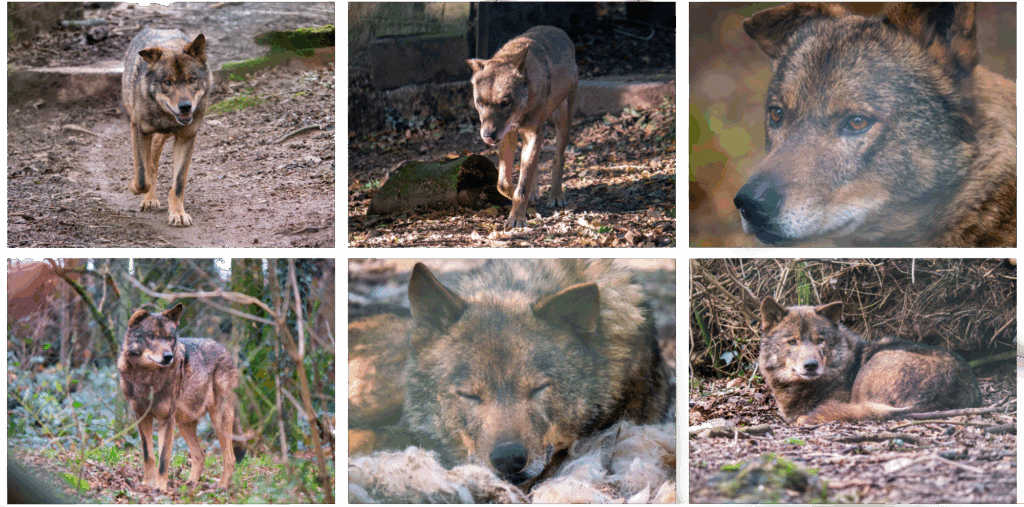
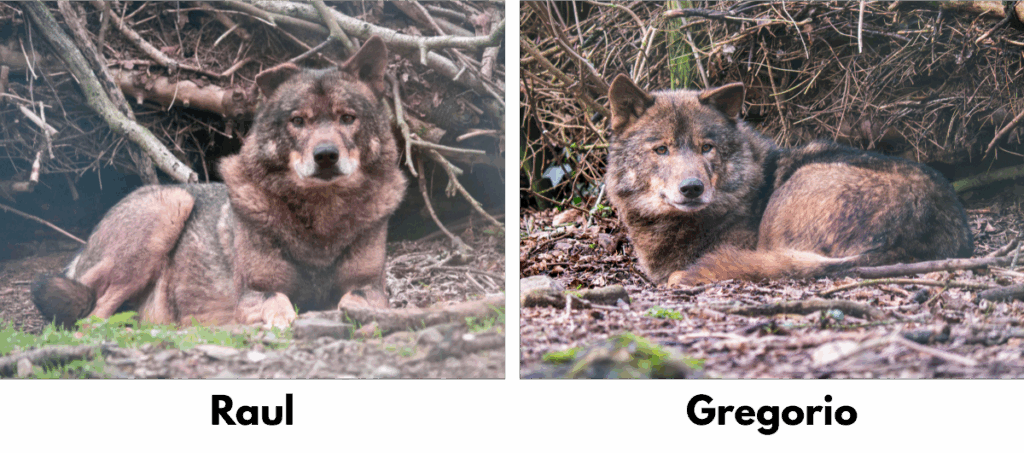
At Dartmoor Zoo, we are proud to provide a safe and stimulating home for two Iberian wolf brothers, Raul and Gregorio, now in their golden years at around 13–14 years old. Ella Hopper, one of our dedicated keepers, shares insight into her work with them:
“Working with the brothers has been challenging but incredibly rewarding. They have gone from animals that lack trust and need to build their confidence, to waiting for me to arrive at training time which is incredibly heartwarming and truly represents the bond we have been able to build. Seeing their faces eagerly looking for me is exactly why we do the job we do. My training has solely been to create a positive relationship between our wolves and keepers by building this up over time and with our presence.
Wolves take a lot of time, requiring great deals of trust and respect, but once gained, they are incredibly playful and unbelievably loyal. Throughout my career, I’ve had the pleasure of amassing 15 years of working with wolves and part of this honour is getting to show people what’s really behind the bad reputation. Wolves are still hunted and persecuted to this day and yet we have their ancestors in our homes and on our sofas, calling them ‘man’s best friend.”
5 facts about Iberian Wolves
Their scientific name, Canis lupus signatus, comes from the Latin signatus, meaning “marked,” referring to the characteristic dark marks on its lips, legs, and tail.
The Iberian wolf was nearly driven to extinction in the 1970s by hunting and habitat destruction.
Iberian wolves live and hunt in small, hierarchical family packs led by an alpha pair.
Iberian wolves are considered one of the national animals of Portugal.
They can live for about 6 to 8 years in the wild, but up to 16 in captivity.
Iberian wolves are more than captivating animals, they play a vital role in their ecosystems. By preying on herbivores like deer and wild boar, they prevent overgrazing and allow forests, grasslands, and other habitats to recover. Their influence extends beyond numbers; the presence of these apex predators shapes the behaviour of prey species, creating cascading effects that support biodiversity and restore ecological balance. In turn, healthier ecosystems provide humans with clean air, fresh water, and fertile soil, highlighting the broader impact of these wolves.
How You Can Make a Difference
Protecting wolves means protecting entire ecosystems, from the forests they roam to the rivers and grasslands that flourish because of their presence. By safeguarding wolves today, we’re ensuring that future generations can witness and learn from these extraordinary animals.
By learning more about wolves like Raul and Gregorio, we hope to inspire a deeper appreciation for these remarkable animals and the vital role they play in our ecosystems. With your support, we can continue to protect their habitats and help wolf populations recover.
Here are 3 simple ways you can stand up for wolves:
Learn – You’re already off to a great start by reading this blog! Keep exploring and discovering more about wolves.
Fundraise – Host a bake sale, organise a fun run, or get creative! Every effort makes a real difference, find out more today.
Spread the Word – Talk to friends, family, and your community about why wolves matter.
Thank you for joining us in celebrating these incredible creatures and taking steps to secure their future. Together, we can ensure wolves remain a thriving part of our world for generations to come.
On 24th July, Ben and Geri, Dartmoor Zoo’s meerkat pair brought two new pups into the world…we’ve been calling them adorable this whole time but now they go by Everest and Endeavour!
The names were chosen by Sir John Hunt Community Sports College, who helped build Meerkat Manor in 2024, and by PCiP – Promoting Children in Plymouth, who generously funded the project. This amazing collaboration gave young people the chance to learn new skills, work as a team, and take real pride in building something special.
Sophie Cooper from Sir John Hunt commented:“We named the meerkat pups Everest and Endeavour to reflect both our school’s heritage and our values. Sir John Hunt famously led the first successful ascent of Mount Everest, showing courage, resilience, and determination. These qualities connect closely to our school values of Respect, Ambition, and Endeavour.
Just as our students showed teamwork, ambition, and perseverance in designing and building the meerkat enclosure, the names celebrate striving for great achievements and always pushing to be our best.”
Dartmoor Zoo’s CEO David Gibson commented:“We want to say a huge thank you to Sir John Hunt School and Promoting Children in Plymouth for coming up with such appropriate names for our Meerkat Pups. The names really capture the spirit of our ongoing partnership with both organisations and the impact that the work we do together has on the lives of the students of Sir John Hunt School.”
Thanks to their creativity and PCiP’s support, our meerkat family now have a beautiful home, and our pups have the perfect names to match!
Dartmoor Zoo have teamed up with Devon Contract Waste (DCW) and Olives Et Al to provide some unique, olive barrel enrichment for their Amur Tiger; Dragan.
Animal welfare is Dartmoor Zoo’s top priority and enrichment is a great way for the keepers to ensure our animals are active, being challenged, utilising multiple senses and keeping their habitats interesting via hidden food, scent enrichment and in this case…giant olive barrels!
This innovative use of the barrels happened as a result of Dartmoor Zoo’s partnership with DCW who first look to repurpose and reuse unwanted items before recycling, ensuring more sustainable solutions that are further up the waste hierarchy. In this case, DCW asked another customer, Olives Et Al, a Dorset based, British Artisan Olive company to consider an interesting alternative to recycling for their olive barrels – a new lease of life as a big cat’s play toy!
Olives Et Al’s Head of Business Development Lewis Slayden commented:“I think it’s the first time we’ve seen our old barrels repurposed like this – makes a change from water butts and the team here are all happy to know some of our old barrels are going to a really good use.”
So, why olive barrels? Olives Et Al’s Co-Founder Giles Henschel Commented:“Well, they’re about the same size as wild boar or small deer which are common prey for tigers, they’re very solid and bouncy and they have similar colourings to themselves. Besides, they still smell of olives which will be a very interesting scent for a tiger, that’s for sure!”
A resident of Dartmoor Zoo since June 2016, Dragan is an incredibly well known and much-loved member of the Dartmoor Zoo family. With less than 500 Amur Tigers left in the wild, the IUCN Red List considered this species Endangered, so to be able to raise awareness, not only about our recycling initiatives, but about our conservation efforts, it seemed only right that Dragan was the perfect brand ambassador for the job!
Amur Tigers can weigh in at a hefty 180kg or so, therefore Dragan is not your average domestic cat, however, he still loves to play like one! Our keepers use this instinct to design activities that give him mental and physical stimulus, keeping him fit and active. Where a domestic cat will be happy chasing a ball of string or toy mouse, Dragan’s toys need to be a bit tougher! Used olive barrels are perfect for this! Our keepers can hide food or highly scented material, then; Dragan needs to use all his cunning and strength to get at the rewards inside. In the process he will exercise both his muscles and brain which is just what we want.
General Manager for DCW Grant Scott commented: “Partnering with our customers to find sustainable solutions for dealing with unwanted items is the bedrock of our operation but toys for tigers is an absolute first and we think it’s a grrrreat idea!
DCW always looks to find solutions for waste products that make the least possible impact on our environment and reusing and repurposing products in their original condition is always our first consideration – so this is a wonderful outcome.”
Dartmoor Zoo’s Maintenance Manager Stuart Franklin commented:“When you work closely with endangered species, you become keenly aware of how negatively man’s economic activities can impact on every ecosystem. It is hugely important to get multiple uses out of every resource, and this plays a fundamental role in our green initiatives on site. This was the driving factor behind implementing our partnership with DCW and the Dartmoor Zoo team are very excited about what the recycling future holds!”
Interested in a partnership or want to find out more information on how you can support Dartmoor Zoo? Email us today!
Travelling from Knockhatch Adventure Park and Woburn Safari Park, Ben and Geri, our breeding pair of Slender-Tailed Meerkats arrived at Dartmoor Zoo on Saturday 8th February where they were immediately introduced into their new habitat, Meerkat Manor. Upon introduction, Ben and Geri were quick to bond and have been inseparable ever since.
Dartmoor Zoo’s CEO David Gibson commented: “We are thrilled to welcome our new arrivals. The successful birth of the two new Meerkats is the start of us building a new Meerkat mob here at Dartmoor Zoo. It wouldn’t have been possible without the support from Promoting Children in Plymouth (PCIP) who funded Meerkat Manor and the pupils of Sir John Hunt School who helped us build this amazing habitat.”
The two new pups are becoming more confident as each day passes and can be seen exploring their new home. We kindly ask guests to keep noise to a minimum when visiting the meerkats, so they can continue to grow, explore and thrive.
Considered ‘Least Concern’ on the IUCN Red List, Slender-Tailed Meerkats are predominantly found in Savannahs, grasslands and desert areas of Southern Africa. Though Slender-Tailed Meerkats do not currently face any major population decline due to protected areas keeping their numbers stable, they can face natural threats such as predators or culling due to rabies.
Dartmoor Zoo’s Keeper Hannah Ivory commented: “Ben and Geri are proving themselves to be very good first-time parents as their wild instincts have taken hold and they are very much devoted to each other and are working cooperatively as a team to raise the pups. Ben takes over babysitting duties whilst Geri catches a mini break and it’s so sweet when he tries to give his food to the pups, despite them being too young at this point. Geri is very good at answering the pups’ calls and will help guide them out of their house into their outside area so they can begin to explore their exhibit and build their strength up. Being the size of your palm at the moment at only 3.5 weeks old, they are still a little wobbly as they are beginning to discover lots of new textures and fun items in their enclosure, even taking interest in some bright coloured enrichment already, but they much prefer to make an appearance in the quieter afternoons at the zoo. The whole team is excited to see how they bond as a family and see the pups learn the life of a meerkat!”
Meerkat Manor was built with funding from Promoting Children in Plymouth (PCIP) by the pupils of Sir John Hunt School, and without this fantastic, collaborative effort – we would not be celebrating these two new arrivals, so we are incredibly thankful for their support and hard work!
If you are a business interested in supporting future habitat builds, why not contact us to find out about this exciting opportunity and the marketing benefits available to you?
Don’t forget, with unlimited free visits if you upgrade your Dartmoor Zoo tickets to an annual pass, you can now visit our pups and watch them grow, as many times as you’d like – purchase your tickets and begin a year of Dartmoor Zoo, today!
Today, the 13th of August, is International Wolf Day, a day dedicated to celebrating and raising awareness of one of nature’s most fascinating, intelligent, and misunderstood animals.
Like snakes or spiders, wolves often suffer from a bad reputation. Many of us grew up hearing stories about the “Big Bad Wolf”, a menacing figure lurking in the woods, waiting to pounce. These longstanding myths and folktales have painted wolves as dangerous villains, shaping public perception and fear over generations.
But in contrast to these negative portrayals, in some cultures, wolves are seen as close spiritual kin to humankind. Revered for their strength, loyalty, and deep connection to nature.
In reality, wolves are generally shy animals that prefer to avoid humans altogether. They are apex predators, feeding on everything from mice to large hoofed animals (also known as ungulates), and they play a crucial role in maintaining the balance of ecosystems. Without wolves, populations of ungulates can grow too large, overgrazing vegetation and triggering a chain reaction that harms themselves and countless other species. Wolves help keep this natural balance in check.
Wolves & Humans
Wolves have had a deep, complex relationship with humans for thousands of years. They are ancestors of domestic dogs, and both belong to the Canidae family. Both wolves and domestic dogs share many biological traits, however after thousands of years of selective breeding, it has made them very different animals today.
Humans are believed to have started to domesticate wild wolves somewhere between 14,000 and 29,000 years ago. They turned fierce predators into trusted companions over the course of many generations. It is unknown how exactly this transformation began and is still debated among many archaeologists. One theory suggests that the relationship started in northern Eurasia, where early hunter-gatherers may have tossed leftover meat to wild wolf pups to gradually build up a bond. These pups, possibly raised as pets, would have benefitted from a steady food source, while the humans gained help with hunting and protection. Over time, this mutually beneficial partnership led to the domesticated dogs we know and love today.
Despite this shared history, wild wolves today remain very different from our pet dogs. They retain their natural instinct, independence, and vital role in the wild. The grey wolf is the species most people think of, and with good reason. They are the most widespread wolf species on the planet, found across North America, Europe, and Asia, known for their striking appearance, strong social bonds, and iconic howl.
But not all wolves are the same.
One lesser-known, and more elusive, subspecies of the grey wolf is the Iberian wolf, found only on the Iberian Peninsula in parts of Spain and Portugal. Smaller and more slender than their northern cousins, these wolves have unique markings and behaviours that set them apart. Their scientific name, Canis lupus signatus, means “marked,” referring to the distinctive dark markings on their lips, tail, and front legs. Interestingly, the most significant biological difference between Iberian wolves and other wolves is the size of a single molar tooth. Unfortunately, like many wolf species, they face growing threats in the wild due to habitat loss, fragmentation, and conflict with humans.
Iberian wolves are classified as Vulnerable on the IUCN Red List (2016), meaning they are considered threatened at a global level. While populations remain stable or dense in some regions, others are experiencing serious declines, and isolated groups face a high risk of extinction. Their range has shrunk dramatically since the 1930s due to habitat loss, prey decline, and human persecution. Today, it’s estimated there are around 297 breeding packs in Spain and 51 to 63 in Portugal, totalling roughly 700 mature adults.
Although hunting is banned, around 45% of wolf deaths are still caused by human activities, including illegal hunting. The Iberian wolf population showed a partial recovery during the 20th century, but this progress has stalled in recent years in Spain due to insufficient protection measures.
Conservation measures vary between the countries:
Portugal: Fully protected and classified as an endangered species at the national level.
Spain: Protected by international law, but national protection is inconsistent because of regional administration. Only in territories south of Duero River are Iberian wolves considered endangered and fully protected.
At Dartmoor Zoo, we are proud to care for two Iberian wolves, brothers Raul and Gregorio, who are aged around 13/14 years old. Even though the pair are in their later years, they are still curious, playful, and full of character.
Ella Hopper, one of our keepers who works closely with the brothers, tells us more about their personalities, their training, and why she does it:
“Gregorio is the confident and cheeky brother of the two and can often be seen bouncing over for his tea like a little puppy. He also has a fondness for rolling, especially in strongly (and not always pleasantly!) scented things.
Raul on the other hand is a sweet boy with a shy side. I can often see him popping his head over the bushes to check us out, but once he gets his snack, it’s wonderful to see his proud and triumphant walk away!
Working with the brothers has been challenging but incredibly rewarding. They have gone from animals that lack trust and need to build their confidence, to waiting for me to arrive at training time which is incredibly heartwarming and truly represents the bond we have been able to build. Seeing their faces eagerly looking for me is exactly why we do the job we do. My training has solely been to create a positive relationship between our wolves and keepers by building this up over time and with our presence.
Wolves take a lot of time, requiring great deals of trust and respect, but once gained, they are incredibly playful and unbelievably loyal. Throughout my career, I’ve had the pleasure of amassing 15 years of working with wolves and part of this honour is getting to show people what’s really behind the bad reputation. Wolves are still hunted and persecuted to this day and yet we have their ancestors in our homes and on our sofas, calling them ‘man’s best friend’.
Wolves are not to be feared, but to be celebrated and protected.”
By learning more about wolves like Raul and Gregorio, we hope to inspire a deeper appreciation for these remarkable animals and the vital role they play in our ecosystems. With continued conservation efforts and respect for their natural habitats, we can help ensure that wolves remain a thriving part of our world for generations to come.
Thank you for joining us in celebrating these incredible creatures and supporting their future! If you’d like to help us continue this important work, please consider making a donation.
At the start of July, Dartmoor Zoo hosted its annual research conference; ‘Research Rundown’, a showcase of the fascinating research conducted by our researchers and keepers over the past year. We were also joined by guest speakers from Paignton Zoo, Newquay Zoo, and Plymouth University.
This year’s event featured nine talks and two research posters, covering a wide range of topics, from animal behaviour and welfare, to the visitor experience and animal hormone analysis. It was a brilliant day of knowledge-sharing and collaboration between zoos and universities.
Here’s a quick rundown of the talks presented:
Louise Cox – Research and Welfare Officer, Dartmoor Zoo: Introduction and an overview of research at Dartmoor Zoo.
Jo Clark – Head of Research and Education, Dartmoor Zoo: Utilizing citizen science to help understand the visitor experience.
Liani Curtis – Placement Student, Paignton Zoo: Investigating the behavioural effects of contraception on a troop of Hamadryas baboons: Implications for animal welfare and management.
Abbie Starsmeare – Keeper, Dartmoor Zoo: You’ve changed! Does castration make male sitatunga less ballsy?
Dr Niko von Engelhardt – Associate Professor, Plymouth University: Investigating the faecal cortisol levels of multiple species in response to evening events.
Lucy Butler – Placement Student, Dartmoor Zoo: Investigating the impact of changing feeding schedules on binturong behaviour.
Nilo Mason – Placement Student, Dartmoor Zoo: Eyes on the tiger: which external factors influence the activity budget of an Amur tiger?
Jenna Crawford – Keeper, Dartmoor Zoo: Managing marmoset wasting syndrome – a case study.
Dr Kathy Baker – Research Coordinator, Newquay Zoo: 13 years of research with captive Owston’s civets. What we know, what we don’t, and where do we go from here?
And two fantasticpostersone from Maddy Tattersall, Placement Student at Newquay Zoo: Enriched experiences in Asian short-clawed otters,andone by Leila Dixon Reid, University of Plymouth student: Factors that influence visitor interaction with signage and dwell time at zoo exhibits.
Why is Research in Zoos Important?
Research in zoos is crucial for improving animal welfare, evaluating and enhancing enrichment provision, supporting conservation, and helping animals thrive both in captivity and in the wild. It helps us make evidence-based decisions, track behaviour changes, and better understand the species we care for.
Sharing these insights across institutions also means we’re constantly learning from each other, which ultimately benefits animals on a broader scale.
To shed more light on research at a zoo and the role of placement students, our Research and Welfare Officer, Louise Cox, shares her insights:
‘Conducting research is one of the main aims of a modern zoo, and it helps us learn more about our animals to provide them with the best possible welfare, as well as supporting conservation. We predominantly research animal behaviour, though we also look at what they’re eating, what’s in their poo & how our visitors are using the site!
Our placement students are so valuable in helping us collect data and know what our animals are doing, and it’s great to give them the opportunity to not only share their results with the wider zoo team, but also help build their confidence with public speaking and networking with colleagues in other zoos.’
DZS Placement Students
This year’s Research Rundown offered a fantastic opportunity to showcase the brilliant work of our two placement students, Lucy Butler and Nilo Mason. While the event wasn’t a formal farewell, it was a great way for them to round off their placements by presenting their research to peers and professionals in the zoo community.
Lucy and Nilo joined us in September 2024 as part of their university placement years and quickly became valued members of the Dartmoor Zoo team. Over the past ten months, they’ve not only developed and carried out their own research projects but have also contributed to a wide range of zoo activities.
Lucy
‘My name is Lucy and I’m studying Psychology at the University of Southampton. I chose to spend my placement year at Dartmoor Zoo because I want to go into animal behaviour and welfare research in the future. I have absolutely loved my placement at Dartmoor Zoo!
Highlights include observing a wide variety of animals, making firehose enrichment, working on my research project, and getting involved with zoo events. I have loved learning about so many different areas of research as well as getting stuck into zoo life. My main project involved observing Malu, the Palawan binturong’s nocturnal feeding behaviour. My placement has taught me so much and has really helped me see that I want to continue working in this field.’
Nilo
‘My name is Nilo, I am studying BSc Zoology at the University of Reading. I applied for a research placement at Dartmoor Zoo because zoo research is something I am passionate about.
I have loved this role and took many projects under my wing to build skills across the board. Some of the projects I had worked on during my placement include monitoring the tiger and jaguar on CCTV cameras and conducting age and welfare reviews on ZooMonitor (an app for collecting behavioural data) for various animals.
As well as research, I have also gained experience in other areas, such as taking on a keeper role for a few days, helping marketing create educational content, and assisting the public engagement team during workshops and talks. This placement has given me a variety of experiences and has allowed me to build on my confidence immensely, especially when talking to the public. I am super grateful to be here!’
They also took their research a step further by presenting their research posters at the BIAZA Research Conference, gaining valuable experience and insight into the wider world of zoo-based science.
As their placements have come to an end this July, we want to say a huge thank you to Lucy and Nilo for everything they’ve contributed to Dartmoor Zoo. You’ve made a real impact here, and we’re excited to see where your journey takes you next!
We want to say a big thank you to all our speakers, staff, and students who made this year’s Research Rundown such a success. Events like this are a great reminder of why we do what we do, and how vital it is to keep learning, questioning, and exploring.
World Snake Day is a day to celebrate and learn about one of the planets most misunderstood animals. Snakes often get a bad reputation, many people fear them or think they’re dangerous, but the truth is, they play a vital role in our ecosystems and deserve more respect than fear.
There are over 3,500 species of snake around the world, but only about 600 are venomous, and fewer than 200 pose a serious threat to humans. That means most snakes you will ever meet (or see) are harmless and far more afraid of you than you are of them.
Why are snakes important?
Snakes play a vital role in maintaining ecological balance. As natural predators, they help regulate populations of rodents, insects, and other small animals. By keeping these populations in check, snakes prevent crop damage and reduce the spread of diseases. Rodents, for example, often carry ticks that transmit illnesses like Lyme disease. Fewer rodents mean fewer ticks and a lower risk of disease for both humans and wildlife. This makes snakes an effective, natural form of pest control that benefits both the environment and public health.
Beyond pest control, snakes contribute to the overall health of their ecosystems. They support nutrient cycling by aiding in the breakdown of organic matter and play a role in seed dispersal through their interactions with prey. These functions help maintain healthy soil and plant life, promoting biodiversity. Although often misunderstood, snakes are essential allies in preserving the stability and resilience of the natural world.
5 Fun Facts about Snakes!
The King Cobra is the largest venomous snake in the world. They can grow as long as 5.5 meters.
Not all snakes lay eggs; some give birth to live young.
Snakes don’t have eyelids! Instead, they have a special scale to protect their eyes.
They swallow their food whole because they can’t chew! Snakes have a very flexible lower jaw which allows them to eat animals who are 75% to 100% larger than their own head.
The Reticulated Python holds the title of the longest snake, regularly reaching over 6.25 meters in length. The largest recorded was 10 meters long.
Snakes at Dartmoor Zoo
We’re proud to showcase two fascinating snake species in our Reptile and Bug House at Dartmoor Zoo. To celebrate World Snake Day, we’re taking a closer look at these incredible reptiles, sharing what makes them unique, their roles in nature, and why they deserve our respect and protection.
European Adder (Vipera berus)
The European adder is the UK’s only native venomous snake and one of just three snake species found here. Despite their reputation, adders are shy and non-aggressive, only biting in self-defence when threatened or disturbed. Most often seen basking on countryside paths or trails, they pose little risk to humans if left alone.
These snakes can grow up to 75cm in length and are recognised by the distinctive zigzag pattern along their back and the distinct V or X shaped mark on their head. They feed infrequently, only 6 to 10 times a year. Adders play an important role in controlling populations of small mammals and insects, helping to maintain a balanced ecosystem that supports agriculture and benefits human communities.
Adder populations in the UK are declining due to habitat loss and fragmentation caused by farming. Though legally protected, they need more awareness and support to survive.
At Dartmoor Zoo, we care for two young adders born in August 2023. By giving our visitors the chance to see and learn about them, we hope to shift public perception and inspire conservation efforts.
Adders Aren’t the Enemy
Adder bites to humans in the UK are extremely rare and almost never life-threatening, but they always require medical attention. Most bites occur when a snake is accidentally stepped on or disturbed. While healthy adults usually recover well with minimal treatment, children, older adults, and those with pre-existing health conditions may experience more severe reactions and should be treated as a priority.
Recently, people have been more worried about their dogs being bitten by adders.Curious by nature, dogs may sniff or step too close to a basking adder, triggering a defensive strike. Although the vast majority of dogs recover fully with prompt veterinary care, these incidents have led to more negative public perception of adders, despite their shy and non-aggressive nature.
If you think your dog has been bitten by an adder, look for swelling, most often around the face or leg, along with two small puncture wounds at the centre of the swelling. Your dog may show signs of pain or distress, such as limping, whining, or appearing unusually quiet or withdrawn. It’s important to keep your dog calm and as still as possible to slow the spread of venom, offer water if they’ll take it, and get them to the nearest veterinary clinic that stocks antivenom as quickly as possible.
How to Prevent Bites and Be Prepared:
Attach an adder bell to your dog’s collar to alert wildlife.
Stick to clear, open paths, especially during warm, sunny days.
Keep your dog on a lead or under close supervision in areas where adders are known to live.
Research and know the location of the nearest veterinary clinics that stock antivenom before heading out.
Remember adder bites are not acts of aggression, they are rare, instinctive reactions from a wild animal trying to stay safe. By understanding and respecting their place in nature, we can protect our pets and preserve one of Britain’s most remarkable native species.
Western Hognose Snake (Heterodon nasicus)
The Western Hognose snake is a fascinating and often misunderstood species native to central North America, ranging from southern Canada down to northern Mexico. They thrive in open prairies, meadows, and floodplains, where their burrowing abilities come in handy. Their name comes from the distinctive upturned scale at the tip of their snout, which they use to dig through loose sand and soil. Hognose snakes often create burrows that may be shared with other snakes, helping them stay cool and hidden from predators.Beyond their burrowing habits, these snakes play an important role in controlling populations of toads and other amphibians, which can be pests or disease carriers.
They are mildly venomous, but not in the way you might expect. They produce a mildly toxic saliva that is harmless to humans but effective at subduing their prey. This saliva comes from a specialized gland called Duvernoy’s gland.
Western Hognose snakes have unique defence mechanisms. When threatened, they mimic rattlesnakes by flattening their necks and hissing loudly. If this bluff doesn’t work, they put on an elaborate display of playing death, flipping onto their backs, lolling out their tongues, and lying motionless until the danger passes.
While this species is classified as Least Concern and remains locally common across much of its range, certain populations are being threatened by habitat loss and human persecution.
At Dartmoor Zoo, we care for Django, our resident Western hognose snake, born in October 2013. With a lifespan of up to 20 years in captivity, Django serves as an ambassador for his species, helping to educate visitors about the fascinating behaviours and adaptations of this charming and often overlooked snake.
Snakes aren’t villains, they’re vital to our ecosystems.
From the shy European adder to the charismatic Western hognose, each species plays an important role in nature. World Snake Day is all about breaking the stigma, sharing facts, and raising awareness of these often-misunderstood reptiles. Whether as natural pest controllers, prey for other animals, or part of cultural heritage, snakes are fascinating and essential creatures that deserve our respect and understanding.
Come visit our Reptile and Bug House at Dartmoor Zoo and meet these amazing animals in person, you might just leave with a newfound appreciation for the stars of World Snake Day.
As Volunteers’ Week unfolds, we’re taking a moment to shine a spotlight on the incredible individuals who give their time, energy, and passion to Dartmoor Zoo. We are so fortunate to have a dedicated team of volunteers who play a vital role in every aspect of zoo life, from caring for our animals and engaging with visitors, to keeping things running smoothly behind the scenes. Their commitment and love for wildlife and conservation helps make everything we do possible.
We’re also grateful to the corporate groups who have joined us for team-building and away days, volunteering their time to support the development of the zoo and contribute to our ongoing projects.
This week, we’re proud to celebrate these heroes who make a real difference every single day. In this blog, we’ll be highlighting five of our amazing volunteers, sharing their stories, and showcasing the unique contributions they make to our zoo family.
Shirley – Administration Volunteer
‘I have been volunteering at Dartmoor Zoo for the past 3 years. I volunteer in Admin assisting the Head of Compliance and Resources with Health and Safety and general administration tasks, looking after the humans rather than the animals.
Unlike most people I enjoy Health and Safety, so this is an ideal role for me. I also assist the Maintenance Team and the Keepers with admin. I love being retired but I missed using my little grey cells. At the zoo I find each day is different with a myriad of different tasks and projects which keeps me on my toes and makes me use my brain. I have done a lot of volunteering, but this is definitely my favourite. I feel very lucky that I found this very special place with very special people, it keeps me young (well youngish!) and keeps me smiling!’
Phil – Maintenance Volunteer
‘I’ve been volunteering as a carpenter at Dartmoor Zoo for almost two years as part of the maintenance team. I enjoy working outside on the animal enclosures and have helped improve and extend some, whilst also building brand new enclosures. I also enjoy working on internal areas such as the Jaguar restaurant and improvement to the ticket offices. I love animals and the work I do not only provides me with opportunities to get close to them but also benefits the animals’ care and conservation. My volunteer work has improved my own wellbeing and made me feel part of a worthwhile team. My biggest achievement to date was being nominated for Volunteer of the Year when I had only been there for twelve months.‘
Charlotte – Public Engagement Volunteer
I’ve been a volunteer at Dartmoor zoo on the public engagement and education team for 2 years. I volunteer because I have a massive passion for animals, conservation efforts, and I want to help educate people about what they can do to help different species. I enjoy connecting with guests and sharing my passion for conservation with others. I also enjoy giving talks about the animals I love, answering questions and sparking curiosity about wildlife and the environment. Volunteering here has allowed me to gain so much confidence talking to people, improved my mental health and has also allowed me to gain some lifelong friendships.
Emily – Keeper Volunteer
‘I’ve been volunteering for nearly 4 years at Dartmoor Zoo, doing 4 to 5 days a week. I started volunteering with the public engagement team before I moved onto the keeper team. My role here is to help look after the animals from all different species. I help with the cleans, feed prep, and wellbeing checks.
Some of my favourite animals to work with here are Red the peacock, Sydney the potoroo and our tapirs. The tapirs are my favourite animal to work with at Dartmoor Zoo, they are so affectionate and lovely to be around.
I enjoying being here as it’s a very calm place to be, and the staff and other volunteers are all so lovely. The animals are my therapy here and everyday is different. Living with autism has been hard for me, and I never thought I’d get to where I am now. Being here as a volunteer keeper has been incredible.’
Al – Public Engagement Volunteer
‘I’ve been volunteering at Dartmoor Zoo with the Public Engagement team for about two and a half years, I love it! For over 20 years, our family have visited the zoo, we’ve been members, adopted animals and our boys really enjoyed coming here – particularly to the ‘close encounters’ workshops and for Rangers.
I’ve always been passionate about conservation, love animals and after I retired from a career in the Royal Navy, I was keen to volunteer at the zoo. I’ve loved learning about incredible animals from the amazing, dedicated team of people who volunteer and work here. No two days are ever the same and there’s always something new to learn around this wonderful site! I regularly give a variety of animal talks to the public (with my favourite, being the adorable Geladas) and really enjoy chatting to our lovely visitors from all around the world, of all ages.
Over the past year, I’ve also begun working as an Animal Experience Host, employed on an occasional basis, assisting delivering Rangers workshops hosting Junior Keepers for the day and other special events, which I always find hugely rewarding. Additionally, I’ve recently joined our team of First Aiders who are on hand if needed and have attended a staff public engagement training course.’
As we’ve seen through the inspiring stories of our volunteers, each person brings something unique and valuable to Dartmoor Zoo. From animal care and public engagement to admin support and maintenance, our volunteers play an essential role in every part of zoo life.
If you’ve been inspired by what you’ve read and would like to be part of our incredible volunteer community, we’d love to hear from you. There are so many ways to get involved, no matter your background, skills, or availability.